SAP Customer Commerce Capabilities Training
What Are SAP Customer Commerce Capabilities?
SAP Customer Commerce capabilities describe the functions that help businesses manage digital storefronts, product information, customer interactions and online purchasing processes. SAP Commerce Cloud is SAP’s enterprise commerce platform, supporting digital commerce across B2B and B2C business models. Key SAP Commerce Cloud capabilities include product catalogue management, search and discovery, storefront content management, pricing, promotions, cart and checkout functionality. The platform also supports API-based integrations and composable storefront approaches, depending on the solution architecture and implementation. Understanding these core commerce capabilities helps learners see how product discovery, customer engagement, purchasing and order-related processes connect with wider enterprise operations.

What You Can Learn Through SAP Customer Commerce Training
Prompt Edify’s SAP Customer Commerce Training introduces learners to the functionality of SAP Commerce Cloud and its role in supporting digital commerce operations. The course explains how key platform capabilities relate to customer experiences, product information and online purchasing processes. Learners can explore product catalogue management, storefront functionality, search and discovery, promotions, checkout and commerce integration APIs. The curriculum may also cover omnichannel commerce concepts and the differences between B2B and B2C commerce requirements. The training is intended for aspiring SAP consultants, developers, business analysts and e-commerce professionals who want to understand enterprise commerce platforms. Review the course modules and contact Prompt Edify to confirm the syllabus, practical exercises and available learning options before enrolling.
Loading events...
SAP Customer Commerce Training Course Modules
The proposed SAP Commerce Cloud training curriculum introduces learners to core commerce capabilities, platform architecture, digital storefronts, product catalogue management and enterprise integrations. It also covers key business processes across B2B and B2C commerce environments. The final syllabus, practical exercises and module coverage should be confirmed with Prompt Edify before enrolment. Topics may vary depending on the selected learning pathway, training environment and available SAP system access.
Introduction to SAP Commerce Cloud
- Overview of SAP and enterprise digital commerce
- Introduction to SAP Commerce Cloud
- Core SAP Commerce Cloud capabilities and use cases
- Digital commerce architecture fundamentals
- Introduction to B2B and B2C commerce models
- Role of commerce platforms in digital transformation
- Key SAP Commerce Cloud terminology
SAP Commerce Cloud Architecture
- Overview of SAP Commerce Cloud architecture
- Core platform components and services
- Storefront and back-end architecture
- Commerce services and business logic
- Platform configuration and customisation concepts
- Cloud-based commerce environment fundamentals
- Extensibility and integration concepts
- Connections with enterprise applications
Product Catalogue and Content Management
- Introduction to SAP product catalogue management
- Product data structures and catalogue organisation
- Product attributes, variants and classification
- Categories and product relationships
- Catalogue versions and synchronisation concepts
- Product content maintenance
- Media and product asset management
- Product information governance
- Catalogue requirements for B2B and B2C commerce
Storefront Management and SmartEdit
- Introduction to digital storefront functionality
- Storefront structure, pages and navigation
- Page templates and content components
- Content slots and component configuration
- SmartEdit concepts and page editing
- Content preview and publishing workflows
- Responsive storefront considerations
- Customer-facing content management
SAP Commerce Search and Discovery
- Overview of SAP Commerce search and discovery
- Product search and keyword matching
- Faceted search and product filtering
- Product sorting and navigation
- Search results and product listing experiences
- Search configuration concepts
- Product browsing and discovery workflows
- Introduction to Adaptive Search, where applicable
Customer Experience and Personalisation
- Overview of digital customer journeys
- Customer accounts and profile concepts
- Customer groups and segmentation
- Personalised shopping experiences
- Product recommendations and merchandising
- Contextual content and customer engagement
- Customer experience management concepts
- Customer data and privacy considerations
- Relevant personalisation capabilities and integrations
SAP Omnichannel Commerce
- Introduction to SAP omnichannel commerce
- Connected digital commerce experiences
- Consistency across online sales channels
- Cross-channel product and content experiences
- Customer journey coordination
- Channel-specific catalogue and pricing considerations
- Integration with relevant enterprise systems
- Connected commerce operations and customer service concepts
SAP B2B and B2C Commerce
- Differences between B2B and B2C commerce
- B2C storefront and shopping experiences
- B2B account and organisation structures
- Business customer account management
- Customer-specific pricing concepts
- B2B catalogue and purchasing requirements
- Quote and order workflow concepts
- Business customer permissions and access
- Commerce requirements for different customer segments
Pricing, Promotions and Discounts
- Overview of commerce pricing concepts
- Product pricing and price lists
- Customer-specific pricing considerations
- Promotion rules and discount structures
- Coupon and voucher functionality
- Cart-level and product-level promotions
- Promotion eligibility and conditions
- Pricing and promotion integration considerations
- Testing pricing and promotional scenarios
Cart, Checkout and Order Management
- Shopping cart functionality and calculations
- Cart validation and checkout processes
- Checkout workflow and customer details
- Delivery and shipping options
- Order creation and confirmation
- Order status and tracking concepts
- Order management workflows
- Fulfilment process integration
- Connections between commerce orders and ERP systems
SAP Commerce Payment Integration
- Overview of payment processing in digital commerce
- Payment provider integration concepts
- Payment methods and transaction workflows
- Payment authorisation and capture
- Payment status management and error handling
- Secure payment processing considerations
- Payment integration with checkout workflows
- Order totals and payment reconciliation concepts
- Payment testing and troubleshooting fundamentals
SAP Commerce Integration APIs and OCC
- Overview of SAP Commerce integration APIs
- Introduction to Omni Commerce Connect (OCC)
- Commerce REST API concepts and use cases
- Product, category and catalogue API concepts
- Customer, cart and order API interactions
- API requests, responses and data formats
- Authentication and access-control concepts, where applicable
- Integration with external applications and enterprise systems
- API testing and troubleshooting fundamentals
SAP Commerce Cloud Composable Storefront
- Introduction to SAP Composable Storefront
- Headless and composable commerce concepts
- Storefront architecture and front-end separation
- Communication between the storefront and commerce APIs
- Storefront customisation concepts
- Introduction to relevant front-end technologies, where applicable
- Storefront configuration and extension fundamentals
- Responsive digital commerce experiences
- Overview of storefront testing and troubleshooting
Administration, Security and Maintenance
- Overview of commerce administration
- User, role and permission concepts
- Configuration management fundamentals
- Monitoring and troubleshooting concepts
- Security and data protection considerations
- Application maintenance and support workflows
- Performance and reliability considerations
- Administration practices appropriate to the selected environment
Commerce Integration and Business Scenarios
- Overview of end-to-end digital commerce workflows
- Commerce integration with SAP S/4HANA and other enterprise systems
- Product and catalogue data exchange concepts
- Customer, pricing and order data flows
- Business process scenarios across B2B and B2C commerce
- Integration testing and issue resolution
- Cross-functional commerce process considerations
- Review of key SAP Commerce Cloud capabilities and use cases
Discuss your learning goals and explore SAP Commerce Cloud training covering product catalogues, storefront management, search and discovery, B2B and B2C commerce, payment workflows and integration APIs.
This is a proposed curriculum. Confirm the final syllabus, SAP product scope, practical exercises, platform access and training environment with Prompt Edify before enrolment. Module availability and functionality may vary by product version and agreed training scope.
Who Should Take SAP Customer Commerce Training?
SAP Customer Commerce Training is intended for professionals who want to understand digital commerce platforms, online purchasing processes and enterprise system integrations. Depending on the course level and their existing experience, it may be suitable for:
Aspiring SAP Commerce Consultants
SAP Commerce Cloud Developers
E-commerce Professionals
Digital Commerce Managers
Business Analysts
SAP Functional Consultants
ERP Professionals
Application Support Analysts
Software Developers
Quality Assurance and Testing Professionals
Product and Catalogue Management Professionals
IT Graduates and Aspiring SAP Professionals
SAP Commerce Cloud Hands-on Training
Practical learning can help participants connect SAP Commerce Cloud concepts with digital commerce scenarios. Where SAP system access and practical exercises are included in the programme, learners may explore catalogue structures, product content, storefront functionality, search configuration and commerce workflows. Practical activities may also cover shopping cart and checkout scenarios, promotion rules, customer account concepts, API requests and responses, and integration between commerce applications and enterprise systems. For learners following a technical pathway, practical exercises may introduce OCC APIs and composable storefront concepts. Functional learners may focus more on catalogue management, content administration, B2B/B2C processes and order workflows. Confirm the availability of SAP system access, hands-on exercises, development tools and practical assessments with Prompt Edify before enrolling.
SAP Commerce Cloud Online Training and Corporate Learning Options
Choose a learning format based on your professional commitments, location and training requirements. Contact Prompt Edify to confirm the currently available delivery options, schedules and course arrangements.
Live Online SAP Commerce Cloud Training
Ask about instructor-led online sessions covering SAP Commerce Cloud functionality, digital commerce processes and relevant business scenarios.
Instructor-Led SAP Commerce Training
Discuss structured training that introduces core commerce concepts, platform capabilities and integration fundamentals, with the course scope aligned to the selected syllabus.
Corporate SAP Commerce Cloud Training
Organisations can discuss training requirements for e-commerce teams, developers, functional consultants, business analysts and application support professionals. Course topics can be aligned with relevant business processes and team learning objectives.
Why Choose Prompt Edify for SAP Customer Commerce Training?
Prompt Edify’s SAP Customer Commerce Training is intended to help learners understand the capabilities and business processes associated with SAP Commerce Cloud. The proposed curriculum covers digital storefronts, product catalogue management, search and discovery, personalisation, B2B and B2C commerce, promotions, checkout and integration APIs. The course structure can support learners in connecting commerce concepts with enterprise application workflows. Depending on the confirmed programme, training may also introduce composable storefront technologies, commerce administration and integration with SAP S/4HANA and other business systems. Before enrolling, ask our team about the trainer’s SAP Commerce experience, course duration, practical exercises, system access, learning materials, delivery options and completion certificate. Discuss your learning objectives with Prompt Edify to determine whether the available programme aligns with your technical background and professional goals.
Career Opportunities After SAP Commerce Cloud Training
Career Opportunities After SAP Commerce Cloud Training
SAP Commerce Cloud knowledge can support professional development in roles related to digital commerce, enterprise applications, e-commerce operations and software implementation. Career opportunities depend on prior experience, technical skills and the requirements of individual employers. Potential career pathways include:
- SAP Commerce Cloud Consultant
- SAP Commerce Developer
- SAP Commerce Functional Consultant
- SAP Commerce Technical Consultant
- Digital Commerce Consultant
- E-commerce Platform Developer
- SAP Commerce Integration Developer
- Commerce Application Support Analyst
- Business Analyst – Digital Commerce
- Quality Assurance Analyst – Commerce Applications
- SAP Composable Storefront Developer
- Enterprise Commerce Solutions Consultant
For aspiring consultants and developers, SAP Commerce Cloud Training can provide a learning pathway into enterprise digital commerce. Building on this foundation with relevant project experience, technical practice and business process knowledge can help learners prepare for suitable commerce-related roles.
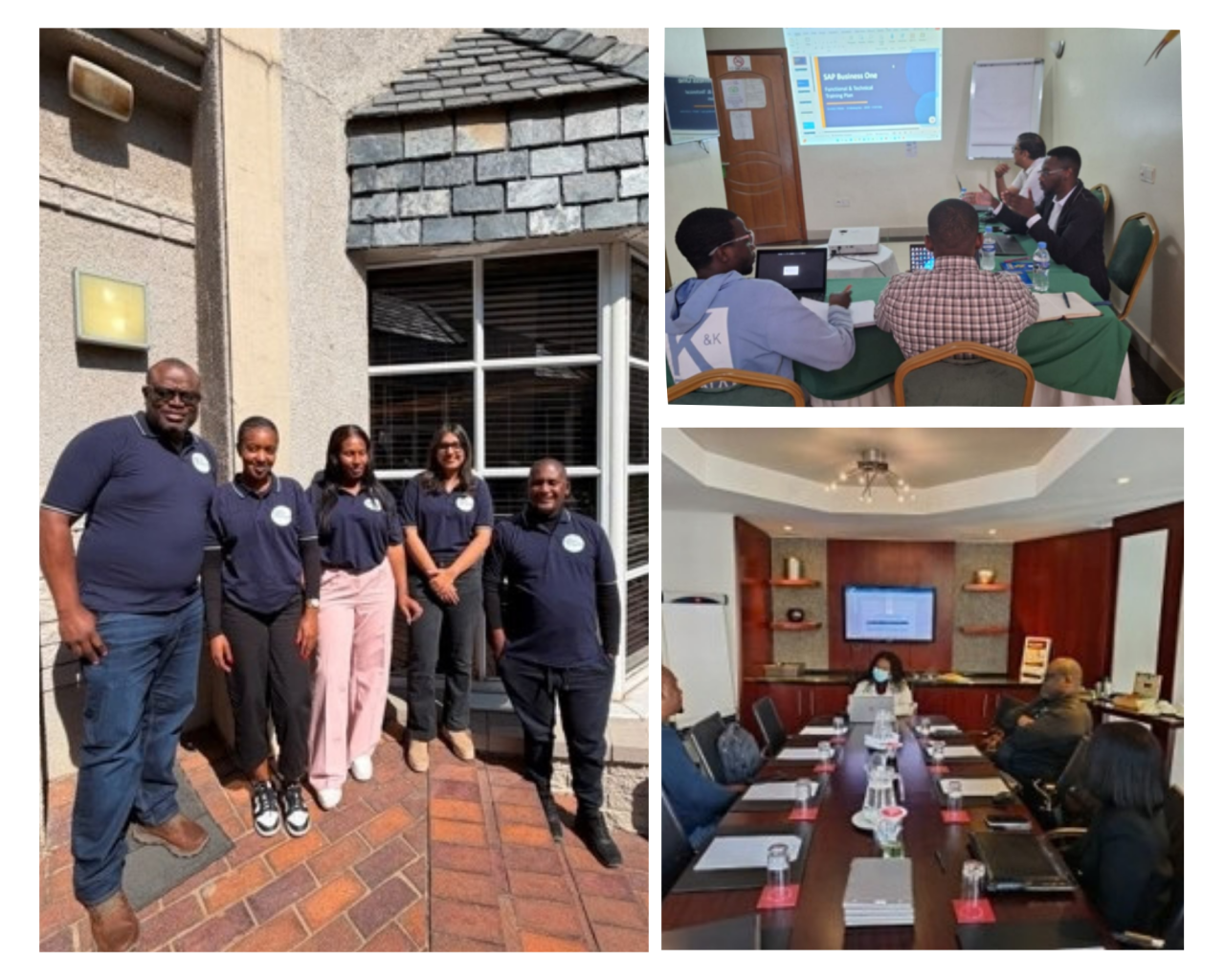
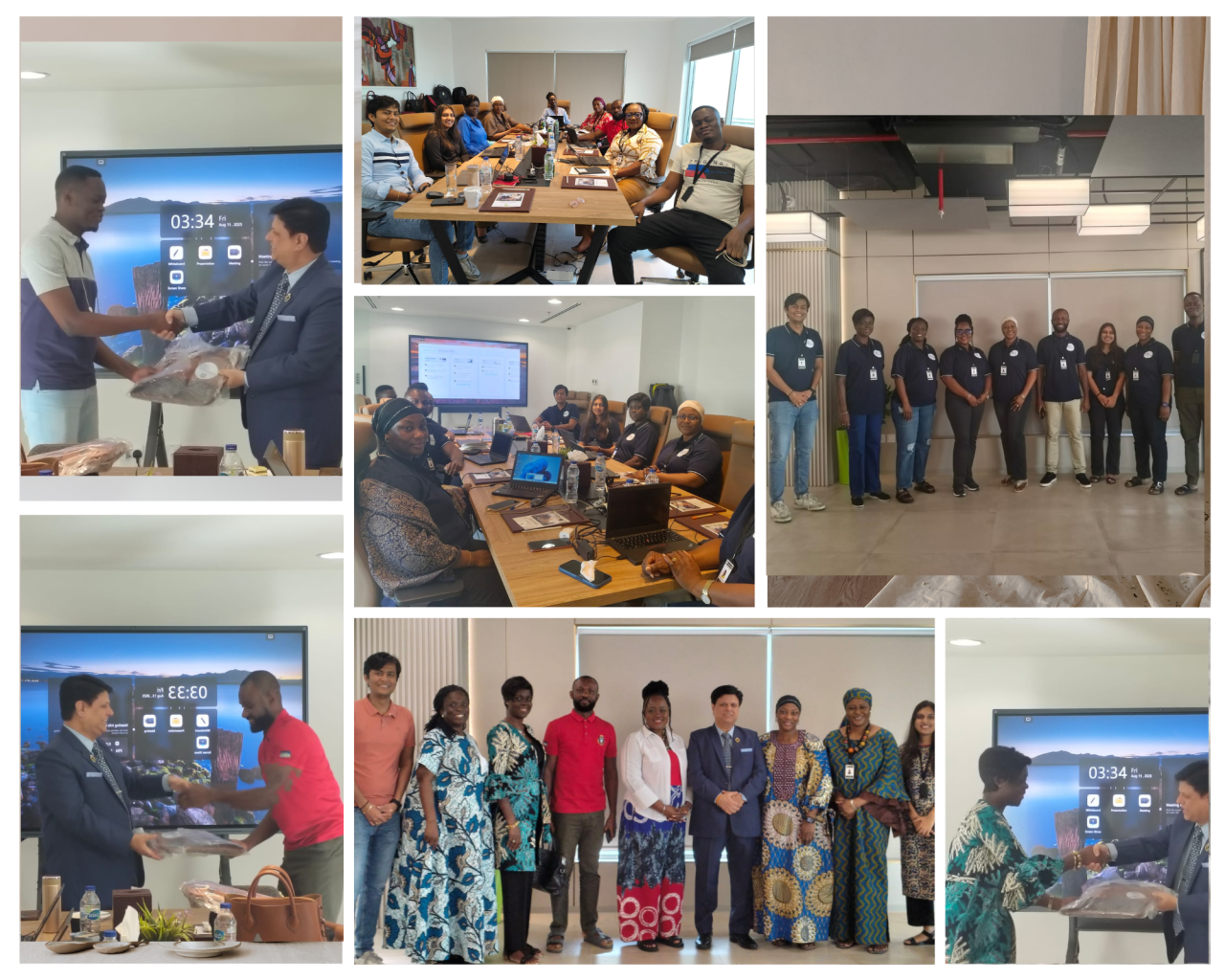
Our Success Stories

Frequently Asked Questions About SAP Customer Commerce Capabilities
1. What are SAP Customer Commerce capabilities?
SAP Customer Commerce capabilities refer to the functions used to manage digital storefronts, product catalogues, customer experiences, promotions, checkout and commerce operations. SAP Commerce Cloud provides capabilities for supporting digital commerce across B2B and B2C business models.
2. What are the main SAP Commerce Cloud features?
Key SAP Commerce Cloud features include product catalogue management, search and navigation, storefront content management, personalisation, pricing and promotions, cart and checkout functionality, order workflows and integration APIs. Available functionality depends on the solution configuration and related services.
3. What is covered in SAP Customer Commerce Training?
A typical course may cover SAP Commerce Cloud architecture, product catalogues, storefront management, search and discovery, customer experience, omnichannel commerce, B2B/B2C processes, checkout, promotions, APIs and integration concepts. The confirmed syllabus determines the actual topics covered.
4. What is the difference between SAP Commerce Cloud and SAP Customer Commerce?
SAP Commerce Cloud is SAP’s commerce platform for managing digital commerce experiences and supporting online selling processes. “SAP Customer Commerce” may be used descriptively to refer to customer-facing commerce capabilities, but SAP Commerce Cloud is the official product name to prioritise when discussing this platform.
5. How does SAP Commerce Cloud support B2B and B2C commerce?
SAP Commerce Cloud supports commerce scenarios for both business customers and individual consumers. Depending on the implementation, B2B functionality may address business accounts, customer-specific pricing and purchasing workflows, while B2C experiences may focus on consumer storefronts, product discovery, promotions and checkout.
6. What is SAP omnichannel commerce?
SAP omnichannel commerce refers to connecting commerce experiences across digital channels and relevant business systems. The aim is to provide consistent product, customer and purchasing experiences while supporting connected commerce operations.
7. What is SAP composable storefront?
SAP composable storefront is a front-end approach for building and customising digital commerce experiences using a decoupled storefront architecture. It can connect to SAP Commerce Cloud through commerce APIs and supports flexible storefront development.
8. What are SAP Commerce integration APIs?
SAP Commerce integration APIs enable applications and storefronts to exchange information with commerce services. Omni Commerce Connect (OCC) is an API layer associated with SAP Commerce Cloud that supports interactions involving products, customers, carts and orders, depending on the API and configuration.
9. Does SAP Commerce Cloud training include practical exercises?
Practical exercises may be included depending on the training programme and available SAP system access. Contact Prompt Edify to confirm whether the selected course includes storefront configuration, catalogue management, API practice or other hands-on activities.
10. Is SAP Commerce Cloud training suitable for beginners?
Foundational training may suit beginners, graduates, e-commerce professionals and aspiring SAP consultants. Some technical modules may require familiarity with web development, APIs, JavaScript or Angular. Confirm the prerequisites for the selected learning pathway.
11. Is SAP Commerce Cloud training available online?
Contact Prompt Edify to confirm current online training availability, instructor-led options, schedules, fees and course duration.
12. Does completing SAP Commerce Cloud training provide official SAP certification?
Completing a training course does not automatically provide official SAP certification. A course completion certificate and an SAP certification credential are different. Check the applicable certification requirements and examination arrangements separately.
13.What Is the Difference Between a Scenario-Based SAP Exam and a System-Based SAP Exam?
The SAP exam format depends on the module and exam you choose. Scenario-based SAP exams assess your ability to analyse business situations and apply SAP concepts to solve real-world problems, while system-based SAP exams focus on performing practical tasks within an SAP system. Our SAP training programmes help participants prepare for their chosen SAP exam format through relevant concepts, practical exercises, and exam-focused guidance
Start Your SAP Customer Commerce Learning Journey
Develop your understanding of digital commerce, storefront functionality and enterprise commerce processes with a training programme aligned to your professional goals. Explore SAP Commerce Cloud capabilities, review the course curriculum and contact Prompt Edify to discuss available learning options.

South Africa - Johannesburg
Prompt Edify Africa (PTY) Limited
2nd Floor, Rivonia Village, Cnr Mutual Road and Rivonia Boulevard , Rivonia Village, 2191 PIN: 2191
Contact : +27740294414
India - Pune
Prompt Edify Private Limited
4th Floor 15, City Vista Tower, Fountain Road, Kharadi, Pune(MH), India. PIN- 411014 Contact : (+91) 99932 86938
Rwanda - Kigali
Prompt Edify East Africa Limited
KN 78 ST, Kagarama, Kigali, Kigali, Nyarugenge, Umujyi wa Kigali, Rwanda Contact : +250 727 845 771