SAP Green Token Training | SAP Green Token Course
What Is SAP Green Token?
SAP Green Token is a cloud-based supply chain compliance solution that helps organisations improve raw material traceability, manage sustainability attributes and support compliance with relevant standards and regulations. It enables organisations to track material flows and account for sustainable and non-sustainable material streams through segregated or mass balance accounting approaches. The solution supports Chain of Custody Accounting by helping organisations manage material movements, sustainability attributes, conversions and transfers across relevant supply chain processes. Its declaration management capabilities help collect, generate and transfer sustainability declarations, while reporting and auditing features provide insights into raw material provenance, material balances and the distribution of sustainability claims. SAP Green Token also supports integration with ERP systems and addresses relevant sustainability standards and regulations, including ISCC PLUS and the European Union Deforestation Regulation (EUDR). These capabilities can help organisations strengthen supply chain transparency, maintain sustainability-related records and support compliance activities. Through SAP Green Token Training, learners can build foundational knowledge of sustainable material traceability, digital material accounting, declaration management and supply chain compliance. The course introduces the concepts and business processes that underpin SAP Green Token and its role in sustainability management.

What You Can Learn Through SAP Green Token Training
Through Prompt Edify’s SAP Green Token Training, learners can explore the solution’s key capabilities and business processes, from material traceability and chain-of-custody accounting to sustainability declarations, ERP integration and compliance reporting. The course introduces the principles of Chain of Custody Accounting and explains how segregated and mass balance accounting approaches differ when tracking certified sustainable materials. Learners can explore how material attributes, quantities, conversions and transfers relate to sustainability accounting across supply chain operations. The SAP Green Token Course also covers declaration management, sustainability documentation, reporting and auditing. These topics help learners understand how organisations collect and manage sustainability information, maintain traceability records and prepare relevant compliance reports. Additional learning areas include supply chain compliance, ERP integration concepts, material provenance, supplier sustainability information and regulatory considerations associated with standards such as ISCC PLUS and EUDR. The programme is relevant to supply chain professionals, procurement teams, sustainability practitioners, compliance specialists, business analysts and ERP professionals who want to build foundational knowledge of SAP Green Token. The depth of product-specific configuration or practical exercises will depend on the confirmed syllabus and available training environment.
Loading events...
SAP Green Token Training Course Modules
The proposed SAP Green Token Training curriculum covers sustainable material traceability, chain-of-custody accounting, segregated and mass balance accounting, material conversions, sustainability declarations, ERP integration, reporting and supply chain compliance. These modules outline a learning pathway from solution fundamentals to operational processes and relevant sustainability standards. Confirm the final syllabus and practical activities with Prompt Edify before enrolment.
Introduction to SAP Green Token
- Overview of SAP sustainability solutions
- Introduction to SAP Green Token
- Purpose of supply chain compliance software
- SAP Green Token fundamentals
- Sustainable raw material traceability
- Supply chain transparency and material provenance
- Role of digital material accounting
- Overview of key solution capabilities
Supply Chain Compliance and Sustainable Sourcing
- Fundamentals of supply chain compliance
- Responsible sourcing of raw materials
- Certified sustainable materials
- Sustainability attributes and material identification
- Supplier sustainability information
- Supply chain risks and compliance considerations
- Sustainability claims and greenwashing risks
- Relevant sustainability standards and regulations
SAP Green Token Architecture and Core Concepts
- Overview of the SAP Green Token cloud solution
- Core solution concepts and terminology
- Material flows across supply chains
- System roles and business responsibilities
- Sustainability attributes within the solution
- Inbound and outbound material transactions
- ERP connectivity and data exchange
- Material information and sustainability records
Chain of Custody Accounting
- Purpose of chain-of-custody accounting
- Material traceability across supply chain stages
- Material provenance and origin information
- Tracking material movements through business processes
- Material records and sustainability claims
- Maintaining traceability evidence
- Chain-of-custody requirements under applicable standards
Segregated Accounting for Sustainable Materials
- Fundamentals of segregated accounting
- Physical separation of certified sustainable materials
- Identifying materials by sustainability attributes
- Tracking eligible quantities of segregated materials
- Maintaining material identity throughout processes
- Traceability for segregated material streams
- Sustainability documentation for physical segregation
- Record-keeping under applicable certification requirements
Mass Balance Accounting
- Principles of mass balance accounting
- Eligible material quantities in combined streams
- Recording incoming quantities
- Accounting rules and allocation principles
- Tracking sustainability attributes against eligible quantities
- Monitoring material balances within defined boundaries
- Allocation of sustainability claims
- Mass balance requirements under applicable standards
Material Attributes, Conversions and Transfers
- Material attributes and sustainability characteristics
- Identifying attributes associated with materials
- Source materials and converted outputs
- Material conversion recipes, where applicable
- Transfers between relevant locations or processes
- Quantity changes resulting from conversions
- Allocating sustainability attributes during conversions
- Maintaining consistency across transactions
Sustainability Declaration Management
- Introduction to sustainability declarations
- Declaration types, schemes and scopes
- Collecting declarations and associated information
- Generating and transferring declarations
- Declaration templates and required data fields
- Assignments to applicable sites, plants and materials
- Declaration status and lifecycle information
- Declaration records and data quality
SAP Green Token ERP Integration and Data Exchange
- ERP integration requirements
- Material and transaction data capture
- Open APIs and integration capabilities
- Mapping sustainability attributes to business data
- Supplier and business partner information exchange
- Data mapping across connected systems
- Material and sustainability information integration
- Data governance and information quality
SAP Green Token Reporting and Auditing
- Reporting and auditing capabilities
- Reviewing material provenance information
- Analysing material movements and balances
- Historical material balance information
- Distribution of sustainability claims
- Chain-of-custody reporting information
- Audit evidence and supporting records
- Reporting requirements under applicable standards
SAP Green Token and EUDR Compliance
- Introduction to the EU Deforestation Regulation (EUDR)
- Relevant EUDR supply chain requirements
- Commodity and raw material traceability
- Origin and geolocation information
- Due Diligence Statement (DDS) fundamentals
- Relevant material and transaction information
- Traceability and documentation across supply chains
- TRACES-related processes, where included in the syllabus
- EUDR documentation and compliance considerations
ISCC PLUS and Sustainability Standards
- Introduction to International Sustainability and Carbon Certification (ISCC)
- Overview of the ISCC PLUS certification scheme
- Certified sustainable material requirements
- Chain-of-custody accounting and certification concepts
- Segregated and mass balance approaches
- Sustainability declarations and supporting evidence
- Material traceability and certification records
- Certification requirements and compliance processes
Supply Chain Use Cases and Business Process Review
- Sustainable raw material sourcing scenarios
- Tracing material information from suppliers to customers
- Material traceability scenarios
- Comparing segregated and mass balance accounting
- Sustainability declaration workflows
- Material provenance and traceability information
- Supply chain compliance reporting scenarios
- Data quality and record-keeping considerations
- SAP Green Token in sustainability management
Explore SAP Green Token Training covering sustainable material traceability, chain-of-custody accounting, mass balance methods, sustainability declarations, ERP integration and supply chain compliance. Discuss your learning objectives with Prompt Edify and confirm the available course scope.
Who Should Take SAP Green Token Training?
Role-based SAP Green Token Training can help professionals understand the relationship between sustainable material accounting, supply chain transparency and compliance requirements. It is relevant to individuals who work with procurement, sourcing, sustainability data, supply chain operations or enterprise systems .Prior knowledge of supply chain operations, procurement, sustainability reporting or ERP systems may help learners understand the business scenarios covered in the programme. Specific prerequisites should be confirmed with Prompt Edify before enrolment.
Supply Chain Professionals
Procurement and Sourcing Professionals
Sustainability Professionals
ESG and Sustainability Analysts
Compliance Professionals
Risk Management Professionals
Quality and Audit Professionals
Raw Material and Supplier Management Teams
Supply Chain Business Analysts
ERP Professionals
SAP Functional Consultants
Sustainability Programme Managers
SAP Green Token Practical Learning
Practical learning can help participants connect SAP Green Token concepts with supply chain and sustainability scenarios. Where relevant exercises and SAP system access are available, learners may explore material information, sustainability attributes, declaration records, material flows and chain-of-custody accounting concepts. Practical activities may also focus on comparing segregated and mass balance accounting, understanding material conversions and transfers, reviewing sustainability documentation, and interpreting reporting requirements associated with applicable standards. Depending on the confirmed syllabus and available training environment, learning activities may include reviewing EUDR-related documentation, understanding Due Diligence Statements, examining material traceability scenarios and exploring ERP integration concepts. SAP Green Token system access, configuration exercises, demonstrations and practical activities should be confirmed with Prompt Edify before enrolment. The scope of practical learning will depend on the available environment and programme arrangements.
SAP Green Token Online Training and Corporate Learning Options
Choose a learning format based on your professional commitments, location and training requirements. Contact Prompt Edify to confirm the currently available delivery options for SAP Green Token Training.
Live Online SAP Green Token Training
Enquire about instructor-led online learning covering SAP Green Token Fundamentals, supply chain compliance, chain-of-custody accounting, material traceability and sustainability declaration management.
Instructor-Led SAP Sustainability Training
Discuss a structured learning programme focused on sustainable material accounting, supply chain transparency, sustainability standards and regulatory considerations. The course scope can be reviewed against your learning objectives and prior experience.
Corporate SAP Green Token Training
Organisations can discuss training requirements for procurement teams, supply chain professionals, sustainability specialists, compliance teams and ERP users. The proposed learning scope can be aligned with relevant business processes and the team's familiarity with sustainability compliance.
Why Choose Prompt Edify for SAP Green Token Training?
Prompt Edify provides SAP and ERP training designed to help professionals develop their understanding of enterprise business processes and relevant technology concepts. SAP Green Token Training can provide a structured introduction to sustainable material traceability, chain-of-custody accounting, sustainability declaration management and supply chain compliance. The proposed curriculum connects SAP Green Token Fundamentals with business concepts such as segregated accounting, mass balance accounting, material provenance, reporting and auditing. It also introduces the relevance of sustainability standards and regulations, including ISCC PLUS and EUDR, to supply chain processes. Before enrolling, learners can discuss the course syllabus, trainer experience, delivery format, available learning resources, practical activities and any SAP system access with the Prompt Edify team. These details can help participants understand the programme scope and determine whether it aligns with their professional learning objectives. Contact Prompt Edify to confirm the current schedule, available batches, fees and delivery arrangements for SAP Green Token Training.
Career Opportunities After SAP Green Token Training
Career Opportunities After SAP Green Token Training
Knowledge of SAP Green Token can complement professional experience in supply chain operations, sustainable sourcing, procurement, sustainability management and compliance. Understanding material traceability and sustainability accounting may be relevant to roles that involve monitoring material flows, managing sustainability information and supporting regulatory documentation.
Depending on your existing qualifications, professional experience and broader SAP or supply chain skills, related career pathways may include:
- Supply Chain Analyst
- Supply Chain Compliance Analyst
- Sustainability Analyst
- ESG Analyst
- Sustainable Procurement Specialist
- Supply Chain Risk Analyst
- Sustainability Data Analyst
- Procurement Analyst
- Supply Chain Business Analyst
- Sustainability Reporting Specialist
- ERP Business Analyst
- SAP Sustainability Consultant
SAP Green Token Training is a learning opportunity rather than a guarantee of employment or professional certification. Career suitability depends on the requirements of individual employers and the learner's wider experience and qualifications.
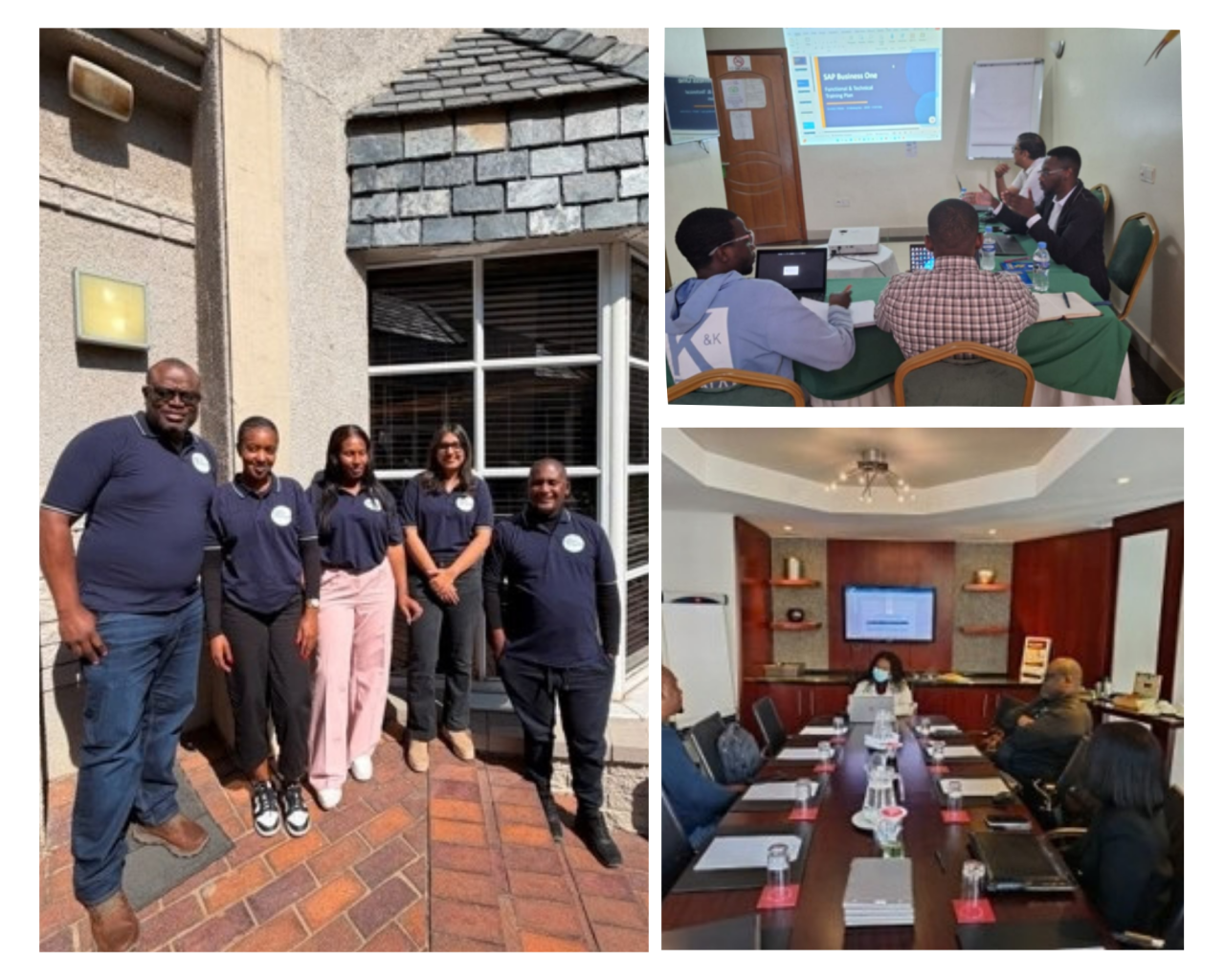
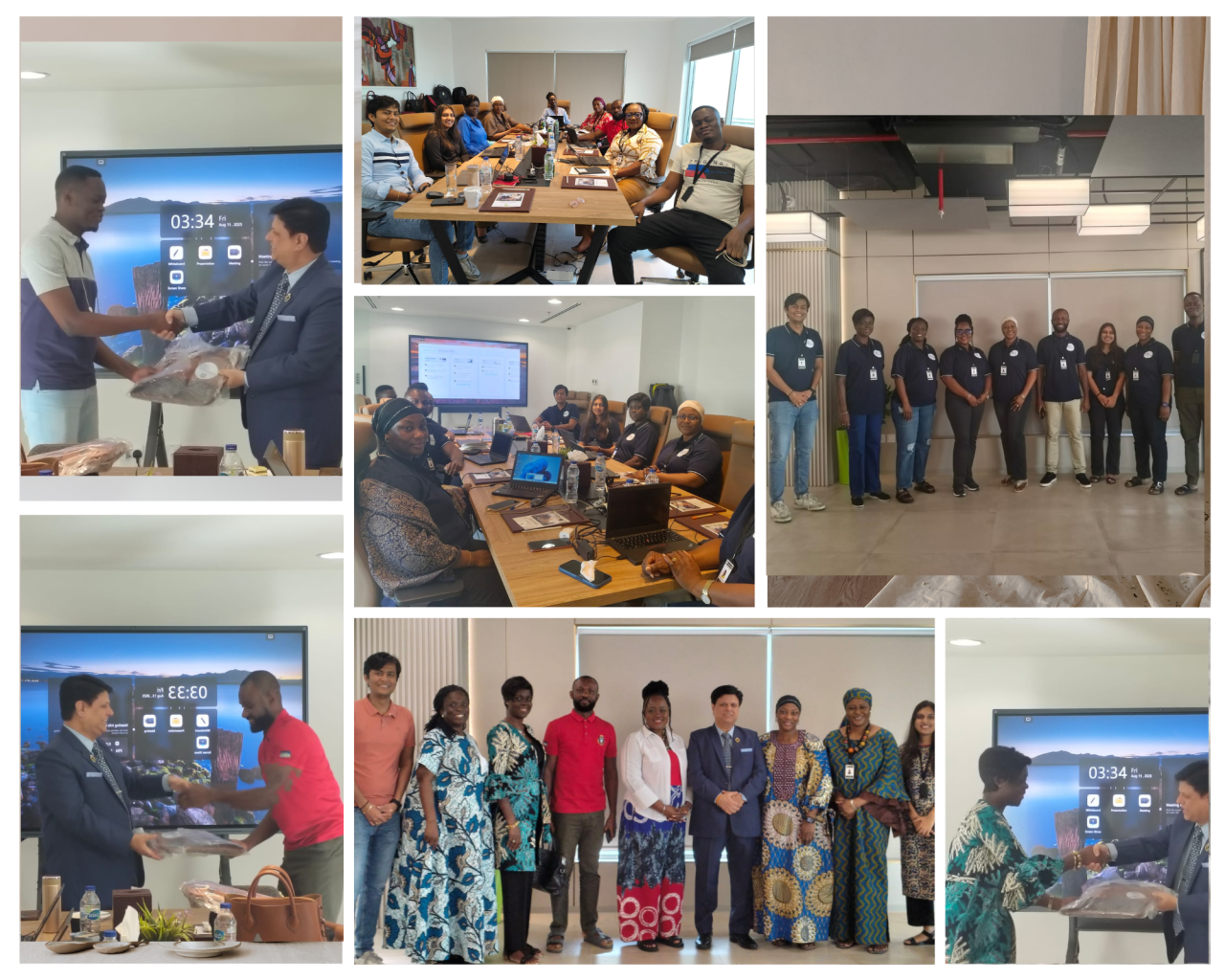
Our Success Stories

Frequently Asked Questions About SAP Green Token Training
1. What is SAP Green Token Training?
SAP Green Token Training introduces learners to SAP Green Token and its role in sustainable raw material traceability, supply chain compliance and sustainability accounting. It can cover chain-of-custody accounting, segregated and mass balance accounting, declaration management, reporting and auditing.
2. What is included in an SAP Green Token Course?
A proposed SAP Green Token Course covers the solution's core concepts, sustainable sourcing, material traceability, chain-of-custody accounting, mass balance accounting, sustainability declarations, ERP integration concepts and compliance-related reporting. EUDR and ISCC PLUS may also be included, depending on the confirmed syllabus.
3. What are SAP Green Token Fundamentals?
SAP Green Token Fundamentals include the purpose of the solution, material flows, sustainability attributes, chain-of-custody accounting, segregated and mass balance accounting, declaration management and reporting. These concepts help learners understand how the solution supports supply chain transparency and sustainability compliance.
4. What are the main SAP Green Token Features?
The main capabilities highlighted by SAP include declaration management, segregated or mass balance accounting, and reporting and auditing. The solution also supports material traceability, sustainability attribute management and integration with ERP systems through available integration capabilities.
5. What is Chain of Custody Accounting?
Chain of Custody Accounting is an approach to tracking and documenting materials and their relevant attributes as they move through a supply chain. It helps organisations maintain records of material origin, movement and sustainability claims according to the applicable accounting method and certification requirements.
6. What is the difference between segregated and mass balance accounting?
Segregated accounting keeps certified sustainable materials physically separate from other materials according to applicable requirements. Mass balance accounting allows specified material streams to be combined while tracking quantities and sustainability attributes through defined accounting rules. The appropriate method depends on the relevant certification scheme and regulatory requirements.
7. How does SAP Green Token support supply chain compliance?
SAP Green Token supports supply chain compliance through material traceability, sustainability attribute tracking, chain-of-custody accounting, declaration management and reporting. These capabilities help organisations maintain information needed to assess sustainability claims and demonstrate alignment with applicable standards and regulations.
8. How is SAP Green Token related to EUDR compliance?
SAP Green Token supports EUDR-related processes by helping organisations manage relevant material traceability information and compliance documentation. Depending on the configured solution and applicable workflow, this can include origin information and Due Diligence Statement-related processes. Actual compliance depends on the organisation's data, processes and fulfilment of the regulation's requirements.
9. What is the role of ISCC PLUS in SAP Green Token?
ISCC PLUS is a sustainability certification scheme relevant to certified materials and supply chain traceability. SAP Green Token supports applicable chain-of-custody accounting and declaration processes associated with recognised sustainability standards. The precise requirements depend on the relevant certification scheme and organisational processes.
10. Is SAP Green Token Training suitable for beginners?
The foundational topics can suit professionals who are new to SAP Green Token and want to understand its business purpose and key concepts. Experience in supply chain management, procurement, sustainability or ERP systems may be helpful. Confirm any prerequisites with Prompt Edify before enrolling.
11. Does SAP Green Token Training include hands-on system access?
Practical exercises and SAP Green Token system access depend on the training arrangements and available environment. Contact Prompt Edify to confirm whether demonstrations, exercises or system-based activities are included in the selected programme.
12. Does completing SAP Green Token Training provide official SAP Certification?
Completing a training programme does not automatically provide official SAP certification. A course completion certificate, if offered, is different from an official SAP certification. Check the relevant SAP certification requirements separately.
13. Is SAP Green Token Training available online?
Contact Prompt Edify to confirm the currently available online or instructor-led training formats, batch schedules, fees, and course duration.
14. Can organisations arrange SAP Green Token Training for employees?
Organisations can contact Prompt Edify to discuss training requirements for supply chain, procurement, sustainability, compliance and ERP teams. The proposed syllabus, learning objectives, delivery format and practical scope can be discussed according to organisational needs.
Start Your SAP Green Token Learning Journey
Build your understanding of sustainable material traceability, chain-of-custody accounting and supply chain compliance with Prompt Edify’s SAP Green Token Training. Explore the proposed course curriculum, discuss your learning objectives and enquire about available training options. Whether you are developing your knowledge of SAP sustainability solutions or strengthening your understanding of procurement and supply chain compliance, a structured learning programme can help you build familiarity with the concepts and processes associated with SAP Green Token.

South Africa - Johannesburg
Prompt Edify Africa (PTY) Limited
2nd Floor, Rivonia Village, Cnr Mutual Road and Rivonia Boulevard , Rivonia Village, 2191 PIN: 2191
Contact : +27740294414
India - Pune
Prompt Edify Private Limited
4th Floor 15, City Vista Tower, Fountain Road, Kharadi, Pune(MH), India. PIN- 411014 Contact : (+91) 99932 86938
Rwanda - Kigali
Prompt Edify East Africa Limited
KN 78 ST, Kagarama, Kigali, Kigali, Nyarugenge, Umujyi wa Kigali, Rwanda Contact : +250 727 845 771