SAP IBP – Integrated Business Planning Training
What Is SAP IBP – Integrated Business Planning?
SAP Integrated Business Planning is a supply chain planning solution that helps organizations coordinate demand forecasts, supply plans, inventory targets, and business objectives. It provides planners with tools to analyze historical demand, evaluate supply constraints, assess inventory requirements, and compare alternative planning scenarios. These capabilities support collaboration between supply chain, operations, and business teams. Depending on the solution scope and configuration, SAP IBP supports functions such as demand planning, response and supply planning, inventory optimization, and sales and operations planning. By connecting planning data with business priorities, organizations can make more informed decisions and respond to changes in demand and supply.

What You Can Learn Through SAP IBP Training
The course covers key supply chain planning processes, including Demand Planning, Supply Planning, and Inventory Optimization. You will explore demand forecasting, historical sales analysis, supply constraints, safety stock, and inventory targets to understand how organizations improve planning efficiency. You will also learn about Sales and Operations Planning (S&OP), planning models, and master data, including planning areas, planning levels, time profiles, and key figures. These concepts help connect demand, supply, inventory, and business objectives for better decision-making. The training introduces data integration and analytics, along with how planning data is transferred, monitored, and analyzed. Depending on the confirmed syllabus, additional topics may include SAP IBP configuration, planning operators, planning views, and implementation workflows.
Loading events...
SAP IBP Training Course Modules
The SAP IBP Training course introduces the fundamentals of integrated business planning, supply chain planning processes, demand forecasting, supply planning, inventory management, analytics and relevant system concepts. The following modules outline a suggested curriculum; confirm the final module coverage with Prompt Edify before publishing it as a confirmed syllabus.
Introduction to SAP IBP
- Overview of SAP Integrated Business Planning
- Role of SAP IBP in supply chain management
- Key features and business benefits
- Overview of integrated supply chain planning
- Introduction to cloud-based planning
- Common SAP IBP business use cases
SAP IBP Architecture and Navigation
- Overview of SAP IBP architecture
- Introduction to the SAP IBP user interface
- Navigation across planning applications
- Understanding planning dashboards and workspaces
- Introduction to Excel-based planning
- Overview of user roles and access concepts
Core Planning Concepts
- Introduction to planning processes in SAP IBP
- Understanding time horizons and planning periods
- Overview of time profiles
- Introduction to planning operators
- Understanding planning views and data presentation
- Overview of key planning workflows
Master Data, Planning Levels, and Key Figures
- Introduction to master data types
- Understanding attributes and master data relationships
- Overview of planning levels
- Introduction to key figures and their purpose
- Understanding key figure calculations
- Exploring master data and planning data relationships
Demand Planning
- Introduction to demand planning processes
- Understanding historical sales data
- Overview of statistical forecasting
- Introduction to forecast accuracy measurements
- Understanding demand review processes
- Exploring demand planning scenarios
Supply Planning Fundamentals
- Introduction to supply planning concepts
- Understanding demand and supply balancing
- Overview of supply constraints
- Introduction to capacity considerations
- Understanding sourcing and supply decisions
- Exploring supply planning scenarios
Response and Order-Based Planning
- Introduction to response planning concepts
- Overview of order-based planning
- Understanding orders and planning data
- Exploring supply and demand matching
- Introduction to operational planning scenarios
- Understanding planning results and exceptions
Inventory Optimization
- Introduction to inventory planning
- Understanding target inventory levels
- Overview of safety stock concepts
- Understanding service levels
- Exploring inventory policies and trade-offs
- Introduction to inventory optimization scenarios
Sales and Operations Planning (S&OP)
- Introduction to the S&OP process
- Understanding cross-functional planning
- Aligning demand and supply plans
- Reviewing inventory and capacity considerations
- Understanding scenario-based decision-making
- Exploring S&OP review workflows
SAP IBP Configuration and System Exercises
- Overview of planning area configuration
- Introduction to configuring planning components
- Understanding key figure settings
- Exploring planning operator settings
- Practising configuration tasks in the available system environment
- Reviewing configuration results and troubleshooting basics
Data Integration and Data Management
- Introduction to SAP IBP data integration
- Understanding data transfer concepts
- Overview of data loading processes
- Exploring data validation and consistency checks
- Understanding integration monitoring
- Identifying common data-related issues
Analytics, Planning Views, and Reporting
- Introduction to SAP IBP analytics
- Understanding planning data visualization
- Creating and reviewing planning views
- Analysing key figures and planning results
- Exploring dashboards and reports where available
- Using planning insights to support business decisions
Practical Scenarios and Implementation Overview
- Reviewing an end-to-end planning scenario
- Analysing demand and supply planning requirements
- Exploring inventory and S&OP use cases
- Understanding implementation phases and activities
- Reviewing testing and validation concepts
- Summarizing key learning outcomes and next steps
Develop an understanding of SAP Integrated Business Planning, including demand forecasting, supply planning, inventory optimization, S&OP, planning configuration, data integration and supply chain analytics. Discuss your learning objectives and available course options with Prompt Edify.
Who Should Take SAP IBP Training?
SAP IBP Training can be relevant to professionals who want to understand integrated business planning, supply chain processes and SAP-based planning concepts. The course may be useful for learners who work with forecasting, procurement, production planning, inventory management or supply chain analytics.
Supply Chain Professionals
Demand Planners
Supply Planners
Inventory Planners
Sales and Operations Planning Professionals
Supply Chain Analysts
Business Analysts
SAP Consultants
SAP Application Support Professionals
Procurement and Materials Planning Professionals
SAP IBP Hands-on Training
Practical learning can help learners connect SAP IBP concepts with real-world supply chain planning scenarios. In case both practical exercises and SAP system access are provided, the learner will be able to learn about planning views, master data, key figures, forecasting demand, supply planning and inventory planning. Planning activities may further involve demand and supply synchronization, forecast validation, planning exceptions, scenario analysis and understanding of planning outputs. Learners may also participate in practical exercises related to SAP IBP configuration and planning models, depending on the course syllabus. The exercises focused on implementation may feature aspects such as business requirements, data validation, testing and planning workflow analysis. For more information on these aspects, get in touch with Prompt Edify.
SAP IBP Online Training and Corporate Learning Options
Select a learning format based on your professional obligations, location and learning goals. Please contact Prompt Edify to know about the available training formats, batch schedules, duration and charges.
Live Online SAP IBP Training
Inquire about instructor-led SAP IBP Online Training including topics like integrated business planning, demand forecasting, supply planning, inventory planning and other SAP IBP software modules. Topics included in the course and the learning methodology must be clarified prior to joining.
Instructor-Led SAP Integrated Business Planning Training
Discuss a structured learning process of SAP Integrated Business Planning, in which the entire syllabus is aligned based on their experience. Students can seek information from the trainers about their SAP experience, material for learning and supply chain planning scenarios.
Corporate SAP IBP Training
Business organizations can enquire regarding SAP IBP Training for demand planning team members, supply chain planners, business analysts and integrated business planners. Learning objectives and modules can be discussed according to their organizational needs.
Why Choose Prompt Edify for SAP IBP Training?
When choosing SAP IBP Training, it is important to understand the trainer’s experience, course structure, and practical learning opportunities. Before enrolling with Prompt Edify, learners can enquire about the trainer’s hands-on experience with SAP Integrated Business Planning, the course duration, available batch timings, and whether training is delivered through live online sessions or another format. Practical exposure can help learners understand how SAP IBP concepts are applied in supply chain planning. Ask whether the program includes hands-on system access, practical exercises, real-world planning scenarios, or project-based learning. You should also confirm the course syllabus and the topics covered to ensure they align with your learning objectives and career goals. Before joining, check whether the program provides a course completion certificate and understand its scope. A training completion certificate is different from an official SAP completion certificate, which may require a separate assessment through SAP’s authorized certification process. Contact Prompt Edify to confirm the current training details, available learning resources, and certificate information before enrolling.
Career Opportunities After SAP IBP Training
Career Opportunities After SAP IBP Training
Knowledge of SAP Integrated Business Planning can support career development in supply chain planning, demand forecasting, inventory management and SAP consulting. Career opportunities depend on your previous experience, functional knowledge, technical skills and the SAP IBP capabilities you develop.
- SAP IBP Consultant
- SAP IBP Functional Consultant
- SAP Supply Chain Planning Consultant
- SAP Demand Planning Consultant
- SAP Supply Planning Consultant
- SAP IBP Application Support Consultant
- Supply Chain Planning Analyst
- Demand Planning Analyst
- Supply Planning Analyst
- Inventory Planning Analyst
- Supply Chain Business Analyst
- SAP Implementation Consultant
For professionals already working in supply chain management, SAP IBP Training can provide a learning pathway to connect existing business knowledge with SAP planning concepts. Aspiring consultants can use foundational learning to explore planning processes, data models, integration concepts and implementation responsibilities.
Our Success Stories
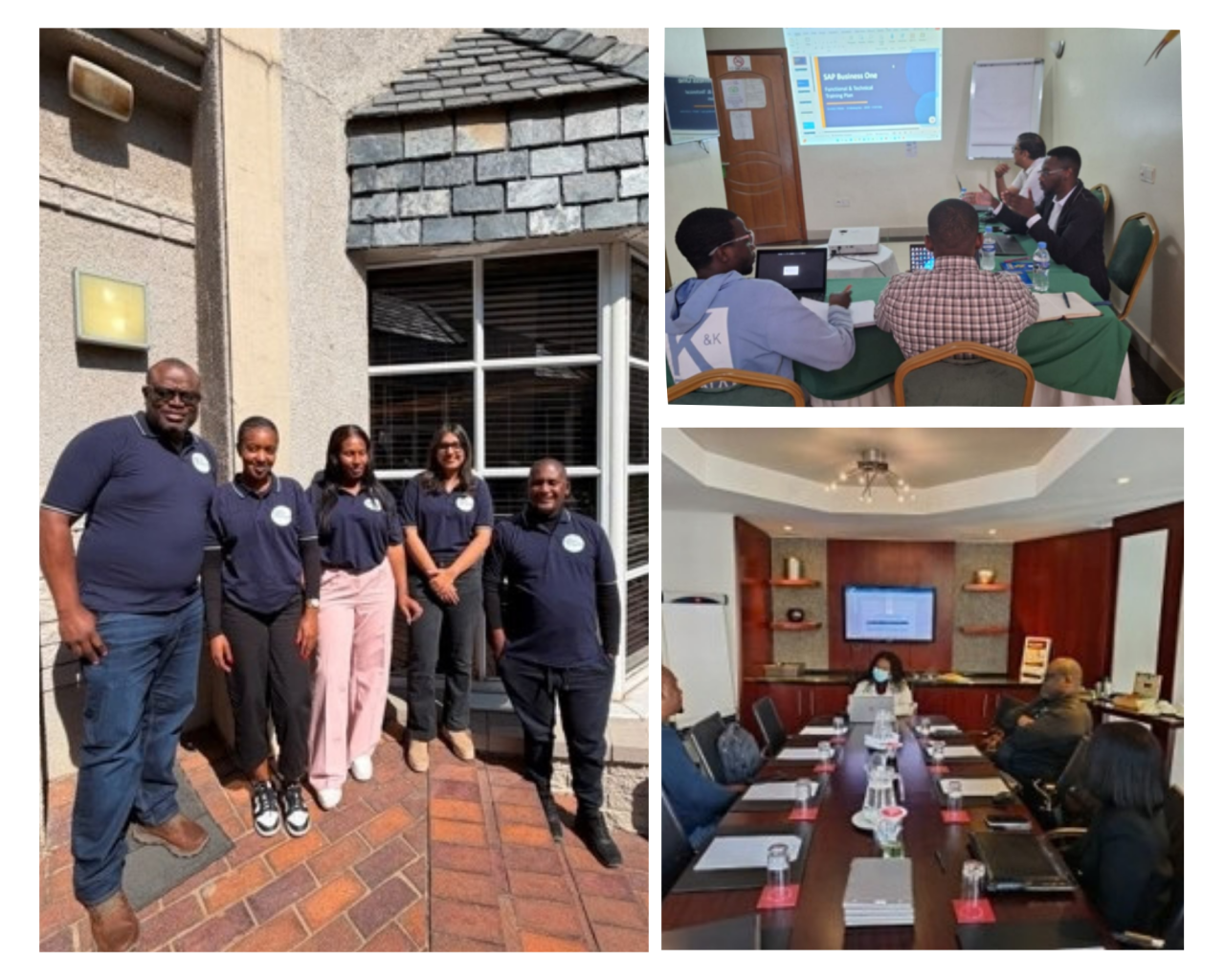

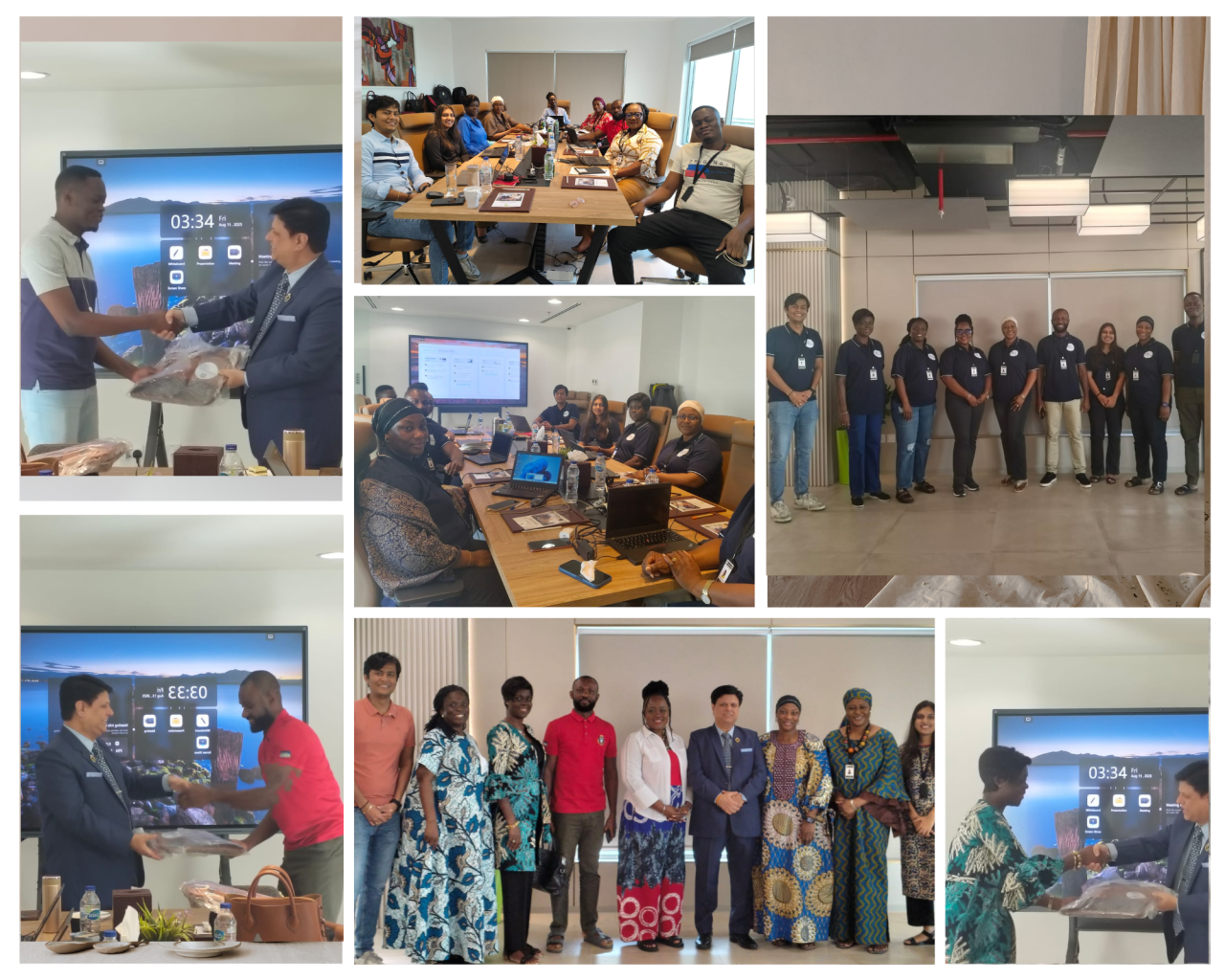
Frequently Asked Questions About SAP IBP Training
1. What is SAP IBP Training?
SAP IBP Training introduces learners to SAP Integrated Business Planning, a cloud-based solution used to support supply chain planning. The training covers key areas such as demand forecasting, supply planning, inventory optimization, and Sales and Operations Planning (S&OP).
2. What is SAP IBP used for?
SAP IBP helps organizations align demand, supply, inventory, and business plans. It supports forecasting, supply chain visibility, scenario analysis, and data-driven planning decisions.
3. What topics are covered in SAP IBP Training?
The syllabus may include Demand Planning, Supply Planning, Inventory Optimization, S&OP, planning areas, master data, key figures, planning views, and data integration. Topics can vary depending on the training program.
4. What is SAP IBP Configuration?
SAP IBP Configuration involves setting up planning components according to business requirements. This may include configuring planning areas, planning levels, time profiles, key figures, master data, and planning operators.
5. Who can join SAP IBP Training?
Supply chain professionals, SAP consultants, business analysts, planning specialists, and graduates interested in supply chain technology may consider this training. Basic knowledge of supply chain processes can be helpful.
6. Do I need prior SAP experience to learn SAP IBP?
Prior SAP experience may be useful but is not always essential. Understanding basic supply chain concepts, demand planning, and inventory management can help learners follow the training more easily.
7. Does SAP IBP Training include practical exercises?
Practical learning depends on the course structure. Before enrolling, check whether the program includes hands-on exercises, planning scenarios, system demonstrations, or access to an SAP IBP practice environment.
8. What is the difference between SAP IBP and SAP APO?
SAP IBP is a cloud-based planning solution designed to support integrated supply chain planning and scenario analysis. SAP APO is an older supply chain planning suite. The right solution depends on an organization's systems, requirements, and migration strategy.
9. What career opportunities are available after SAP IBP Training?
Relevant career paths may include SAP IBP Consultant, Supply Chain Planning Analyst, Demand Planner, Supply Planner, and SAP Functional Consultant. Opportunities depend on practical skills, prior experience, and employer requirements.
10. How long does it take to complete SAP IBP Training?
The duration depends on the syllabus, training schedule, and learning format. Contact Prompt Edify to confirm the course duration, batch timings, and module-wise schedule.
11. Is SAP IBP Training available online?
Training delivery options depend on the current program. Contact Prompt Edify to confirm whether live online sessions are available and to learn about batch schedules and course access.
12. How can I enrol in SAP IBP Training at Prompt Edify?
Contact Prompt Edify to request the latest syllabus, fees, batch availability, training format, and enrolment process. Reviewing these details can help you choose a program that fits your learning goals.
13. What Is the Difference Between a Scenario-Based SAP Exam and a System-Based SAP Exam?
The SAP exam format depends on the module and exam you choose. Scenario-based SAP exams assess your ability to analyse business situations and apply SAP concepts to solve real-world problems, while system-based SAP exams focus on performing practical tasks within an SAP system. Our SAP training programmes help participants prepare for their chosen SAP exam format through relevant concepts, practical exercises, and exam-focused guidance.
Start Your SAP IBP Learning Journey
Build Your SAP IBP Knowledge with Prompt Edify. Know the SAP IBP Training curriculum, understand the concept of demand and supply planning and learn about the different types of training programmes from Prompt Edify. If you want to improve your understanding of supply chain planning or want to become an SAP IBP Consultant, it is very important to know about the scope of the training programme.
South Africa - Johannesburg
Prompt Edify Africa (PTY) Limited
2nd Floor, Rivonia Village, Cnr Mutual Road and Rivonia Boulevard , Rivonia Village, 2191 PIN: 2191
Contact : +27740294414
India - Pune
Prompt Edify Private Limited
4th Floor 15, City Vista Tower, Fountain Road, Kharadi, Pune(MH), India. PIN- 411014 Contact : (+91) 99932 86938
Rwanda - Kigali
Prompt Edify East Africa Limited
KN 78 ST, Kagarama, Kigali, Kigali, Nyarugenge, Umujyi wa Kigali, Rwanda Contact : +250 727 845 771