SAP Product Lifecycle Management Training
What Is SAP Product Lifecycle Management?
SAP Product Lifecycle Management (SAP PLM) refers to capabilities and business processes that help organizations manage product-related information throughout the product lifecycle. These include product development, engineering, product data management, product structures and engineering change management. SAP PLM helps maintain consistent product information and improves collaboration between engineering, manufacturing and other business functions. When integrated with enterprise applications such as SAP ERP and SAP S/4HANA, PLM can support the exchange of product data across procurement, manufacturing and supply chain processes. This enables better coordination, product data visibility and efficient lifecycle management.

What You Can Learn Through SAP PLM Training for Supply Chain
Through Prompt Edify’s SAP PLM Training, participants gain an understanding of how organizations manage product information, support product development and coordinate product lifecycle processes. The program introduces important concepts such as product data management, product structures, Bills of Materials (BOM), engineering change management and manufacturing requirements. Participants also explore how SAP PLM connects product-related information with other enterprise applications and business functions. Depending on the confirmed syllabus, the training may also introduce supplier collaboration, digital supply chain processes, SAP PLM configuration and integration concepts. This learning program is relevant to professionals working in supply chain management, procurement, manufacturing, product development and SAP consulting.
Loading events...
SAP Product Lifecycle Management Training Course Modules
The SAP Product Lifecycle Management Training covers key concepts and processes involved in managing product information throughout its lifecycle. The curriculum focuses on core PLM topics, with related supply chain concepts included where applicable to the training program.
Introduction to SAP Product Lifecycle Management
- Overview of SAP Product Lifecycle Management
- Understanding product lifecycle stages
- Importance of PLM in modern businesses
- Key features and capabilities of SAP PLM
- Role of PLM in product development
- Introduction to product lifecycle processes
Product Lifecycle and Supply Chain Fundamentals
- Fundamentals of product lifecycle management
- Different stages of product development
- Introduction to supply chain management
- Relationship between PLM and supply chain
- Product information flow across business functions
- Overview of digital supply chain concepts
SAP PLM Architecture and Core Components
- Overview of SAP PLM architecture
- Understanding core PLM components
- Product information management concepts
- Product data organization
- Integration with SAP enterprise applications
- Overview of SAP PLM business processes
Product Data Management
- Introduction to product data management
- Product master data concepts
- Managing product specifications
- Product document management
- Organizing and maintaining product information
- Product data consistency and accuracy
Bills of Materials (BOM) and Product Structures
- Introduction to Bills of Materials
- Understanding product structures
- Engineering Bill of Materials (EBOM)
- BOM components and relationships
- Product structure management
- Overview of BOM data management
Engineering Change Management
- Introduction to engineering change management
- Understanding engineering change processes
- Change records and documentation
- Product revision management
- Managing product design changes
- Impact of engineering changes on product data
SAP PLM Configuration Fundamentals
- Introduction to SAP PLM configuration
- Overview of configuration concepts
- Understanding PLM-related settings
- Product data configuration considerations
- Basic configuration process overview
- Configuration considerations in SAP environments
PLM for Digital Supply Chain
- Introduction to PLM in digital supply chains
- Connecting product lifecycle information
- Product data collaboration across teams
- Product information exchange
- Relationship between PLM and manufacturing
- Role of PLM in digital product development
Supplier Management and Collaboration
- Introduction to supplier collaboration
- Supplier-related product information
- Supplier data management concepts
- Coordination between suppliers and engineering teams
- Product information exchange with suppliers
- Supplier collaboration in supply chain processes
Supply Chain Planning and Manufacturing Integration
- Overview of supply chain planning
- Relationship between PLM and manufacturing
- Product data exchange with manufacturing
- Understanding manufacturing requirements
- Coordination between engineering and production
- Introduction to supply chain process integration
SAP PLM Integration with Enterprise Systems
- Overview of SAP PLM integration
- Integration with SAP ERP systems
- SAP PLM and SAP S/4HANA integration concepts
- Product master data exchange
- BOM and engineering information integration
- Understanding enterprise system connectivity
SAP PLM Integration Configuration and Implementation
- Introduction to integration configuration
- Understanding integration requirements
- Product data exchange considerations
- Integration process overview
- Implementation planning concepts
- Common integration challenges
Supply Chain Sustainability and PLM Reporting
- Introduction to supply chain sustainability
- Sustainability across product lifecycle stages
- Product lifecycle data for sustainability
- Overview of PLM-related reporting
- Product information tracking and analysis
- Role of product data in business reporting
Explore SAP Product Lifecycle Management Training to understand the course structure, learning objectives and available training options. Connect with Prompt Edify to discuss your learning requirements and identify the PLM topics relevant to your professional goals.
Who Should Take SAP Product Lifecycle Management Training?
SAP Product Lifecycle Management Training is suitable for professionals who want to understand how product information is managed across different stages of the product lifecycle. It is relevant to individuals working in engineering, product development, manufacturing, procurement, supply chain operations and SAP consulting. The program can also benefit aspiring SAP professionals interested in learning about product data management and PLM integration concepts.
Supply Chain Professionals
Supply Chain Managers
Procurement Professionals
Sourcing Specialists
Manufacturing Professionals
Production Planning Professionals
Product Development Professionals
Product Lifecycle Managers
Product Data Management Professionals
Engineering Professionals
SAP Functional Consultants
SAP Product Lifecycle Management Hands-on Training
SAP PLM practical learning can help participants understand how organizations manage product information, product structures, engineering changes and related business processes. Depending on the confirmed training format and SAP system access, practical sessions may include demonstrations or exercises covering product data, BOM concepts, engineering change processes and PLM integration scenarios. Before enrolling, learners can contact Prompt Edify to confirm the availability of SAP system access, hands-on exercises, practical demonstrations and the specific topics included in the selected training program.
SAP PLM Online Training and Corporate Learning Options
Choose a mode of learning based on your professional involvement and training needs. Contact Prompt Edify to find out more about the various modes of learning.
Live Online SAP PLM Training
Explore live online, instructor-led SAP PLM training options covering Product Lifecycle Management, product data management, supply chain processes and SAP PLM integration concepts. Contact Prompt Edify to learn about available online batches and training schedules.
Instructor-Led SAP Product Lifecycle Management Training
Learn from an instructor by adopting a systematic approach to learning with the learning scope as per the chosen syllabus and experience of the learners.
Corporate SAP PLM Training
The organizations can enquire about SAP Product Lifecycle Management training requirements for the supply chain, procurement, manufacturing, and product development teams.
Why Choose Prompt Edify for SAP Product Lifecycle Management Training?
Prompt Edify’s SAP Product Lifecycle Management Training introduces participants to core PLM concepts and their role in modern business and supply chain environments. The training covers key areas such as product lifecycle processes, product data management, engineering change management, product structures and integration concepts, depending on the selected course syllabus. Before enrolling, prospective learners can review the course curriculum, understand the training methodology and discuss their learning objectives with the Prompt Edify team. You can also enquire about trainer experience, course materials, practical learning opportunities, SAP system access, batch schedules and post-training support. Organizations can discuss customised SAP PLM training requirements for their supply chain, procurement, manufacturing and product development teams.
Career Opportunities After SAP PLM Training for Supply Chain
Career Opportunities After SAP PLM Training for Supply Chain
SAP PLM knowledge can help professionals understand how product information, engineering processes and supply chain operations work together. This knowledge may support career development in areas involving product lifecycle management, manufacturing, procurement, product data and supply chain integration.
Depending on your qualifications, professional experience and technical skills, potential career pathways include:
- SAP PLM Consultant
- SAP Functional Consultant
- Product Lifecycle Management Analyst
- Product Data Management Specialist
- Supply Chain Analyst
- Supply Chain Functional Consultant
- Procurement Analyst
- Supplier Management Specialist
- Manufacturing Process Analyst
- Product Development Analyst
For professionals working in supply chain, procurement and manufacturing, SAP PLM Training can help connect existing industry knowledge with product lifecycle management concepts. It can also introduce aspiring SAP consultants to product data management, PLM integration, supplier collaboration and digital supply chain processes.
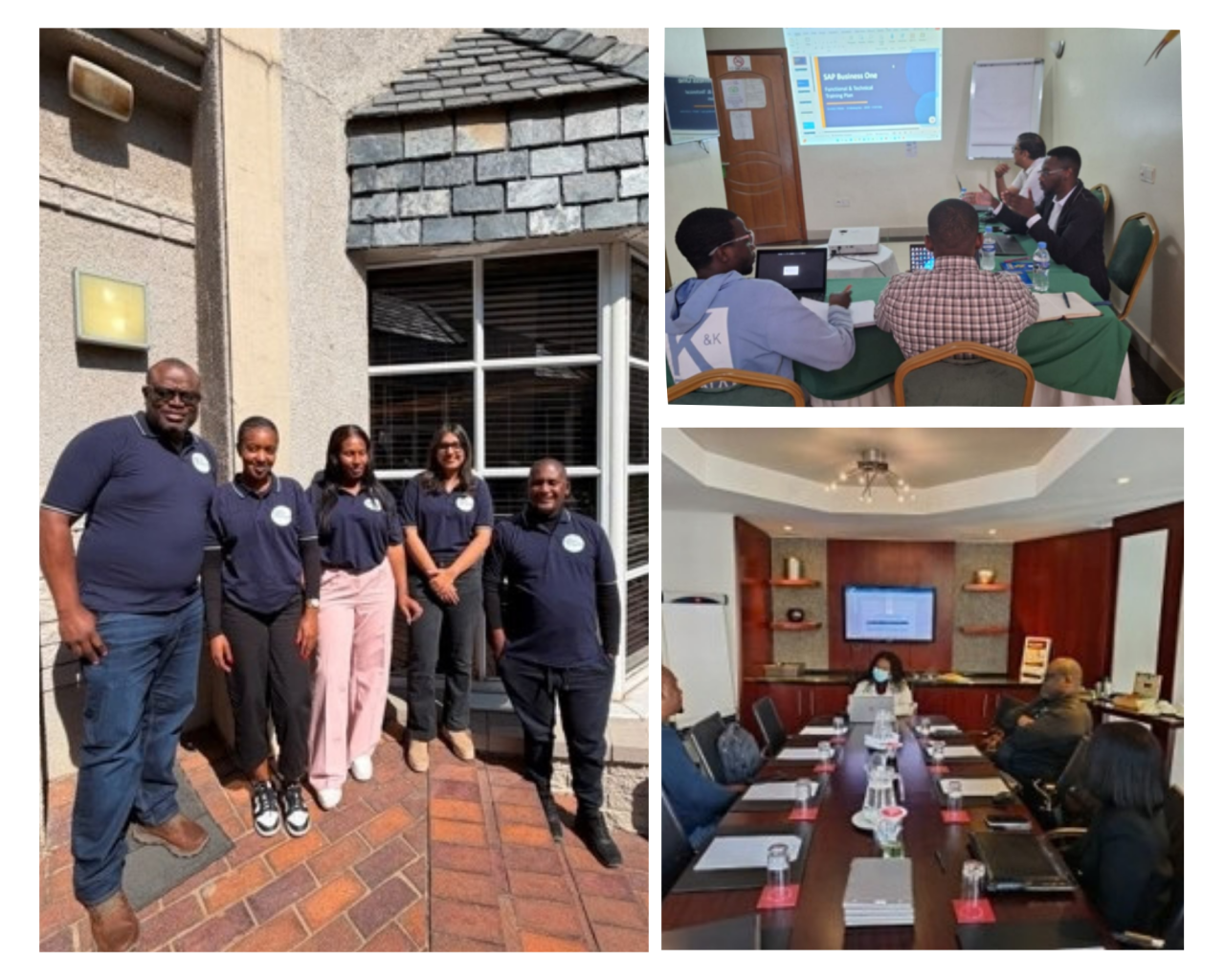
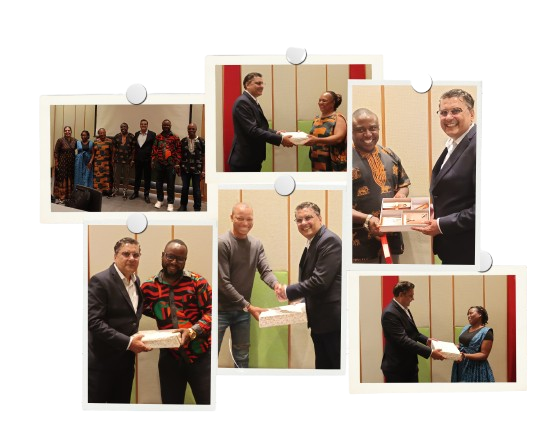
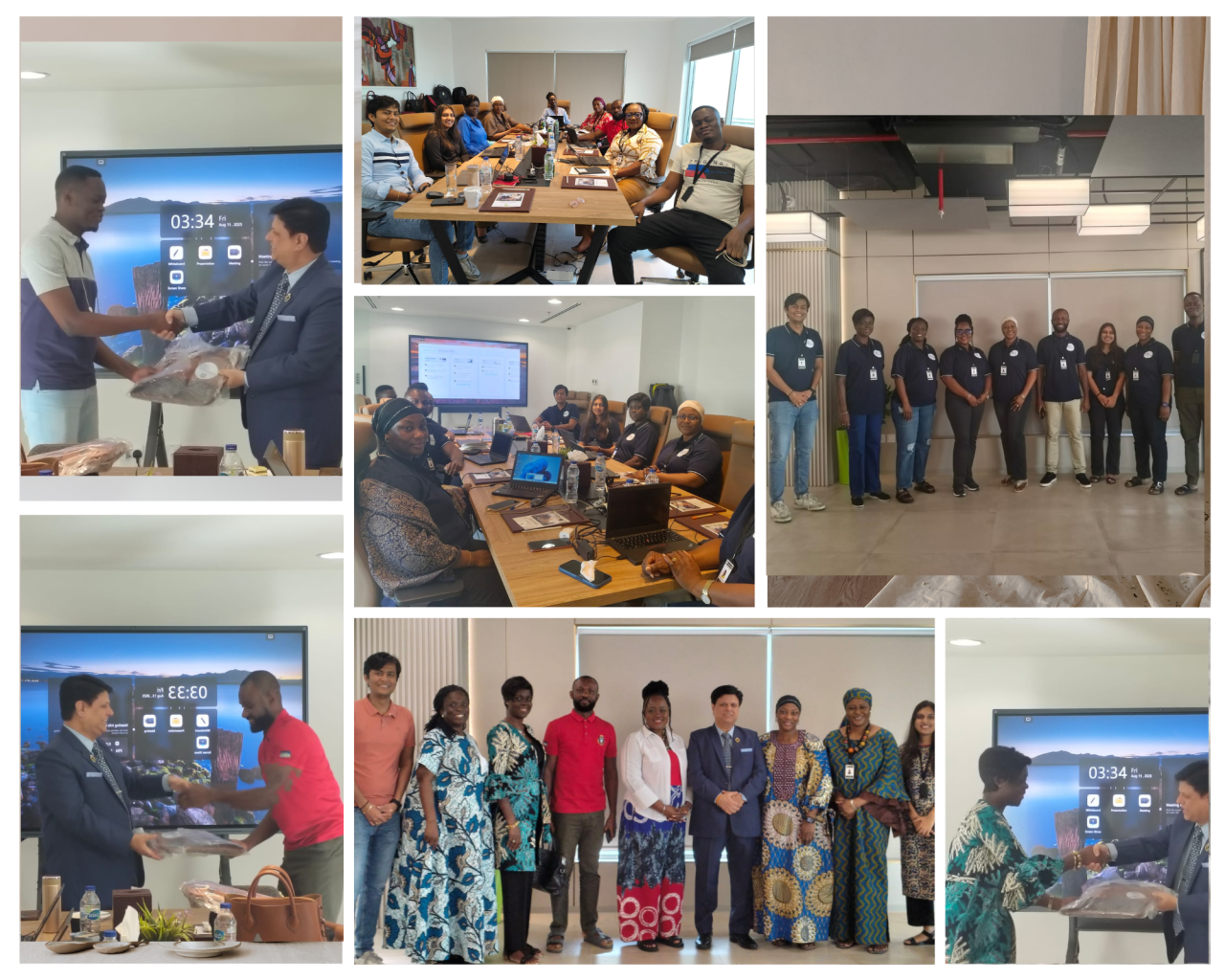
Our Success Stories
Frequently Asked Questions
1. What Is SAP Product Lifecycle Management (SAP PLM)?
SAP Product Lifecycle Management (SAP PLM) helps organizations manage product-related information and processes throughout the product lifecycle. It supports product data management, product structures, engineering changes and collaboration across business functions.
2. What Is SAP Product Lifecycle Management Training?
SAP Product Lifecycle Management Training introduces learners to SAP PLM concepts, product lifecycle processes, product data management and related integration topics. It helps learners understand how product information is managed across different stages of a product's lifecycle.
3. What Is Included in an SAP PLM Course?
An SAP PLM course may cover product lifecycle fundamentals, SAP PLM architecture, product data management, Bills of Materials (BOM), engineering change management and integration concepts. The exact topics depend on the course syllabus and SAP environment.
4. What Are the Main Modules of SAP PLM?
Key SAP PLM learning areas include product data management, product structures, BOM management, engineering change management, product lifecycle processes and SAP PLM integration concepts. Additional topics may vary depending on the training program.
5. What Is the Difference Between SAP PLM and SAP ERP?
SAP PLM focuses on managing product-related information and lifecycle processes, such as product structures and engineering changes. SAP ERP supports broader business operations, including finance, procurement, inventory and manufacturing. Both can work together through system integration.
6. What Is the Difference Between EBOM and MBOM?
An Engineering Bill of Materials (EBOM) represents a product from an engineering or design perspective. A Manufacturing Bill of Materials (MBOM) represents the components and materials required for manufacturing the product.
7. How Does SAP PLM Support Engineering Change Management?
SAP PLM supports engineering change management by helping organizations manage product revisions, engineering changes and related documentation. This helps maintain consistent product information when design or product requirements change.
8. How Is SAP PLM Related to Supply Chain Management?
SAP PLM and Supply Chain Management are connected through product information and business processes. Product specifications, BOMs and engineering changes can support coordination between engineering, procurement and manufacturing teams when relevant systems are integrated.
9. What Is PLM in the Digital Supply Chain?
PLM in the Digital Supply Chain connects product lifecycle information with related business processes. It supports information sharing between engineering, manufacturing and other teams, helping improve product data visibility and collaboration.
10. Does SAP PLM Integrate with SAP S/4HANA?
SAP PLM capabilities can work with SAP S/4HANA depending on the product, deployment model and system architecture. Integration may involve product master data, Bills of Materials, engineering information and change processes.
11. What Is SAP PLM Configuration?
SAP PLM configuration refers to setting up relevant system capabilities and processes according to business requirements. The configuration options depend on the SAP solution, system environment and implementation scope.
12. Who Can Learn SAP Product Lifecycle Management?
Supply chain professionals, engineering professionals, manufacturing teams, product development professionals and aspiring SAP consultants may find SAP PLM useful. Basic knowledge of business processes or SAP concepts can help learners understand the subject.
13. Do I Need Prior SAP Experience to Learn SAP PLM?
Prior SAP experience may be helpful but is not always necessary for introductory learning. Beginners can start with product lifecycle fundamentals, product data management and basic SAP concepts before exploring advanced topics.
14. What Career Opportunities Are Available After SAP PLM Training?
Knowledge of SAP PLM may support career paths such as SAP functional consultant, PLM analyst, product data management specialist and supply chain analyst. Job requirements vary depending on the role, practical experience and technical knowledge.
15. What Is the Difference Between a Scenario-Based SAP Exam and a System-Based SAP Exam?
The SAP exam format depends on the module and exam you choose. Scenario-based SAP exams assess your ability to analyse business situations and apply SAP concepts to solve real-world problems, while system-based SAP exams focus on performing practical tasks within an SAP system. Our SAP training programmes help participants prepare for their chosen SAP exam format through relevant concepts, practical exercises, and exam-focused guidance.
Start Your SAP Product Lifecycle Management Learning Journey
Build knowledge about Product Lifecycle Management, Product Data Management & Digital Supply Chain processes through SAP Product Lifecycle Management Training by Prompt Edify. Review the course syllabus, talk about your goals and learn about the training programs available.

South Africa - Johannesburg
Prompt Edify Africa (PTY) Limited
2nd Floor, Rivonia Village, Cnr Mutual Road and Rivonia Boulevard , Rivonia Village, 2191 PIN: 2191
Contact : +27740294414
India - Pune
Prompt Edify Private Limited
4th Floor 15, City Vista Tower, Fountain Road, Kharadi, Pune(MH), India. PIN- 411014 Contact : (+91) 99932 86938
Rwanda - Kigali
Prompt Edify East Africa Limited
KN 78 ST, Kagarama, Kigali, Kigali, Nyarugenge, Umujyi wa Kigali, Rwanda Contact : +250 727 845 771