SAP Responsible Design and Production Training | SAP Sustainability Course
What Is SAP Responsible Design and Production?
SAP Responsible Design and Production is a cloud-based SAP solution that helps organisations manage packaging data, calculate Extended Producer Responsibility (EPR) obligations and plastic taxes, and assess packaging-related regulatory requirements. It combines enterprise or third-party system data with regulatory information to support compliance reporting and more sustainable packaging decisions. The solution supports packaging composition management, regulatory and voluntary declarations, and the assessment of packaging design scenarios. It also offers connectivity with SAP S/4HANA and other data sources, depending on the organisation’s system landscape and integration requirements.

What You Can Learn Through SAP Responsible Design and Production Training
Through Prompt Edify’s SAP Responsible Design and Production Training, learners can develop an understanding of the relationship between packaging data, regulatory obligations, material choices and sustainability reporting. The course introduces SAP Responsible Design and Production fundamentals, including product and packaging composition, Extended Producer Responsibility, plastic taxes, the EU Packaging and Packaging Waste Regulation (PPWR), and packaging compliance processes. Learners can explore how accurate packaging information contributes to regulatory assessments and reporting. The programme also covers the concepts behind packaging data management, packaging design rules, recyclability assessment, regulatory declarations and integration with enterprise systems. Depending on the confirmed syllabus and practical activities available, participants may explore illustrative packaging scenarios and reporting workflows. This SAP Responsible Design and Production Course is intended for professionals who want to understand the business processes supported by the solution. Review the proposed course modules below for the detailed learning topics.
Loading events...
SAP Responsible Design and Production Training Course Modules
The proposed SAP Responsible Design and Production Training curriculum introduces core product concepts, packaging data management, EPR obligations, regulatory reporting and sustainable design practices. The modules below provide a structured learning outline; the final syllabus and any practical system activities should be confirmed with Prompt Edify.
Introduction to SAP Responsible Design and Production
- Overview of SAP and enterprise sustainability solutions
- What is SAP Responsible Design and Production?
- Purpose and scope of the solution
- Introduction to responsible product and packaging decisions
- Circular economy fundamentals
- Sustainability considerations across product lifecycles
- Overview of packaging-related regulatory obligations
- SAP Responsible Design and Production in an enterprise environment
SAP Responsible Design and Production Fundamentals
- Core concepts and terminology
- Business processes supported by the solution
- Relationship between packaging data and sustainability reporting
- Overview of regulatory and voluntary commitments
- Product, packaging and market information
- Role of sustainability and compliance teams
- Business stakeholders and process responsibilities
- Overview of the solution workflow
Product and Packaging Data Management
- Introduction to packaging data management
- Product and packaging information
- Packaging elements and packaging compositions
- Primary, secondary and tertiary packaging
- Packaging materials and form factors
- Packaging quantities and relevant attributes
- Maintaining packaging information
- Data consistency and information governance
Packaging Data Integration and Data Quality
- Overview of enterprise data integration
- SAP ERP and SAP S/4HANA data concepts
- Integration with third-party data sources
- Packaging data replication fundamentals
- File-based data import concepts
- API-based data exchange fundamentals
- Data validation and quality checks
- Identifying and resolving packaging data inconsistencies
Extended Producer Responsibility (EPR)
- Introduction to Extended Producer Responsibility
- EPR obligations for product packaging
- Packaging information required for EPR reporting
- EPR schemes and market-specific requirements
- Packaging quantities and material classifications
- EPR fee calculation concepts
- EPR reporting processes
- Monitoring EPR obligations across applicable markets
Plastic Taxes and Regulatory Cost Management
- Overview of plastic packaging taxes
- Regulatory obligations related to plastic packaging
- Relevant packaging material and quantity information
- Plastic tax calculation concepts
- EPR fees and regulatory cost considerations
- Relationship between packaging composition and fees
- Reviewing regulatory cost information
- Opportunities to assess alternative packaging materials
Packaging and Packaging Waste Regulation (PPWR)
- Introduction to the EU Packaging and Packaging Waste Regulation
- Overview of packaging-related regulatory requirements
- Packaging composition data and compliance assessment
- Packaging declarations and reporting concepts
- Data requirements for regulatory reporting
- Understanding Declarations of Conformity (DoC)
- Packaging compliance documentation
- Monitoring regulatory changes and applicable requirements
Packaging Compliance and Regulatory Reporting
- Overview of packaging compliance management
- Regulatory reporting requirements
- Standard EPR reports and declarations
- Regulatory and voluntary declarations
- Report categories and reporting configurations
- Packaging data required for reports
- Reviewing reporting results and data quality
- Understanding market-specific reporting differences
Sustainable Packaging and Material Management
- Introduction to sustainable packaging management
- Packaging material selection concepts
- Evaluating packaging composition scenarios
- Recycled content considerations
- Packaging recyclability fundamentals
- Material optimisation and regulatory cost considerations
- Packaging design rules and sustainability criteria
- Supporting circular economy objectives through packaging decisions
Packaging Design Rules and Recyclability Assessment
- Overview of packaging design rules
- Defining packaging assessment criteria
- Applying rules to products, categories and corporate requirements
- Evaluating packaging composition against defined criteria
- Understanding material-related design constraints
- Recyclability assessment concepts
- Integration with external recyclability assessment solutions
- Reviewing assessment results to support packaging decisions
Packaging Analytics and Sustainability Insights
- Overview of packaging-related reporting analytics
- Reviewing packaging volumes and material information
- Analysing packaging fees by market or region
- Comparing regulatory cost information
- Evaluating packaging material scenarios
- Understanding the financial implications of packaging decisions
- Using reporting insights to support business discussions
- Interpreting packaging-related sustainability information
SAP Responsible Design and Production Integration
- Overview of SAP Responsible Design and Production integration
- Integration with SAP S/4HANA
- Relevant product, delivery and packaging data
- Enterprise and third-party system connectivity
- Data replication and integration fundamentals
- API and file-based integration approaches
- Data dependencies for reporting and assessment
- Understanding integration requirements across system landscapes
Business Scenarios and End-to-End Process Overview
- Reviewing a product and its packaging information
- Understanding packaging composition data
- Identifying relevant EPR and plastic tax obligations
- Exploring packaging compliance reporting scenarios
- Understanding packaging material assessment
- Reviewing regulatory and voluntary declaration concepts
- Analysing the impact of packaging choices on fees and compliance
- Connecting packaging data management with circular economy objectives
Explore SAP Responsible Design and Production Training to discuss the proposed curriculum, learning objectives and available training options. Connect with Prompt Edify to understand the course scope and identify learning areas relevant to your professional goals.
Who Should Take SAP Responsible Design and Production Training?
SAP Responsible Design and Production Training can be relevant to professionals who work with packaging information, sustainability initiatives, regulatory compliance and enterprise supply chain processes. It can also support learners who want to understand how SAP solutions contribute to packaging-related reporting and responsible design decisions. Prior knowledge of SAP, packaging operations or sustainability regulations may be helpful, depending on the learner’s role and the final course syllabus.
Sustainability Professionals
Environmental Compliance Professionals
Packaging Engineers and Specialists
Product Development Professionals
Supply Chain Professionals
Procurement Professionals
Regulatory Affairs Specialists
Extended Producer Responsibility (EPR) Specialists
Packaging and Materials Managers
SAP Functional Consultants
ERP and Business Analysts
Sustainability and ESG Reporting Teams
Graduates interested in enterprise sustainability solutions
SAP Responsible Design and Production Practical Learning
Scenario-based learning can help participants connect SAP Responsible Design and Production concepts with packaging and compliance requirements. Where suitable exercises and SAP system access are included in the programme, learners may explore packaging data, packaging compositions, regulatory reporting concepts and packaging assessment scenarios. Potential learning activities may include reviewing packaging information, understanding EPR reporting requirements, exploring plastic tax calculations, assessing packaging design rules and interpreting reporting results. Integration-related learning may also introduce the role of enterprise data and data quality in supporting accurate reporting. The availability of a live SAP environment, practical exercises and specific system activities depends on the confirmed training arrangement. Contact Prompt Edify before enrolling to verify which practical components are included.
SAP Responsible Design and Production Online Training and Corporate Learning Options
Choose a learning format based on your professional commitments, location and training requirements. Contact Prompt Edify to confirm currently available delivery options.
Live Online SAP Responsible Design and Production Training
Ask about instructor-led online sessions covering SAP Responsible Design and Production fundamentals, packaging data management, EPR obligations, regulatory reporting and sustainable packaging concepts.
Instructor-Led SAP Sustainability Training
Discuss a structured learning programme covering the selected syllabus, business processes and relevant SAP sustainability capabilities. The course scope can be aligned with participants’ existing knowledge and learning objectives.
Corporate SAP Responsible Design and Production Training
Organisations can discuss training requirements for sustainability teams, packaging specialists, compliance professionals, supply chain teams and SAP users who need to understand packaging-related regulatory processes.
Why Choose Prompt Edify for SAP Responsible Design and Production Training?
Prompt Edify’s proposed SAP Responsible Design and Production Training curriculum is designed to introduce learners to the key concepts behind sustainable packaging, packaging data management, EPR obligations and regulatory reporting in an SAP environment. The learning structure connects product fundamentals with business processes, including packaging composition, plastic taxes, PPWR-related requirements, packaging compliance and material assessment. It also introduces integration and reporting concepts that help learners understand how enterprise data supports packaging-related sustainability decisions. Before enrolling, learners can discuss the final course syllabus, trainer experience, training duration, available delivery options, practical exercises and SAP system access with the Prompt Edify team. This helps ensure that the selected programme aligns with their professional responsibilities and learning objectives. The training is intended to build product knowledge and foundational process understanding. Specific features, regulatory reporting capabilities and system activities covered will depend on the confirmed syllabus and the SAP environment used.
Career Opportunities After SAP Service Logistics Training
Career Opportunities After SAP Service Logistics Training
Knowledge of SAP Responsible Design and Production may support professional development in roles involving packaging compliance, sustainability management, product stewardship and enterprise systems. Career opportunities depend on prior experience, role-specific skills and knowledge of applicable regulations.
- Sustainability Consultant
- Packaging Compliance Specialist
- Extended Producer Responsibility (EPR) Specialist
- Environmental Compliance Analyst
- Sustainable Packaging Specialist
- Product Stewardship Specialist
- Sustainability Data Analyst
- Supply Chain Sustainability Analyst
- SAP Sustainability Consultant
- SAP Functional Analyst
- Regulatory Affairs Specialist
- Packaging and Materials Analyst
For professionals working in sustainability, packaging or supply chain management, SAP Responsible Design and Production Training can provide a foundation for understanding how packaging data, regulatory obligations and material choices connect within enterprise sustainability processes. Additional domain experience and relevant SAP skills may be needed for specialist consulting roles.
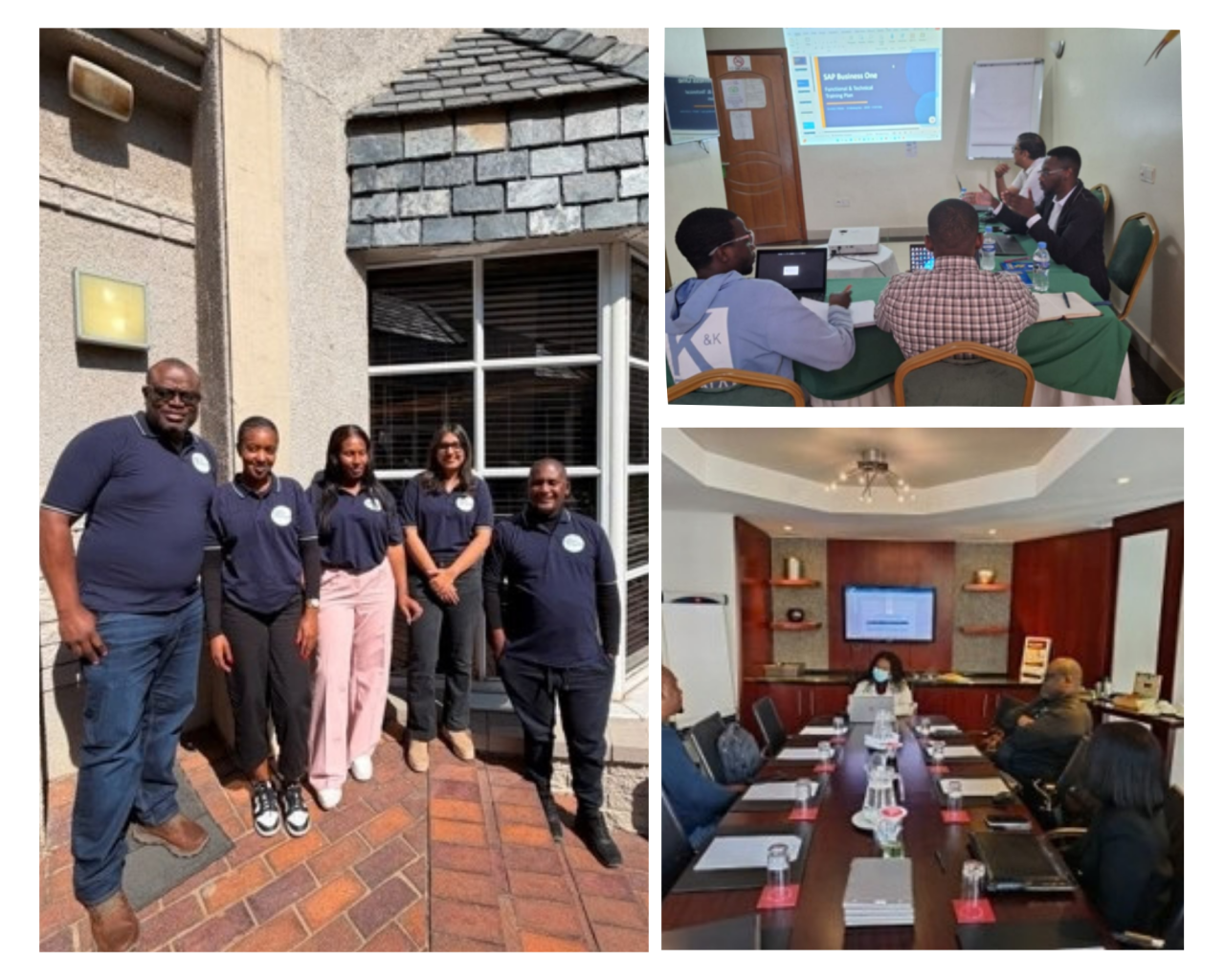
Our Success Stories
Frequently Asked Questions About SAP Responsible Design and Production Training
1. What is SAP Responsible Design and Production Training?
SAP Responsible Design and Production Training introduces learners to an SAP solution that supports packaging data management, EPR obligations, plastic tax reporting and sustainability-related packaging decisions. The course can cover product fundamentals, packaging compliance, reporting and circular economy concepts.
2. What is included in an SAP Responsible Design and Production Course?
The proposed course curriculum covers packaging data management, packaging compositions, EPR, plastic taxes, PPWR, regulatory reporting, packaging design rules, recyclability assessment, analytics and SAP integration concepts. The final topics depend on the confirmed syllabus.
3. Who should learn SAP Responsible Design and Production?
The course may suit sustainability professionals, packaging specialists, compliance teams, supply chain professionals, SAP consultants, ERP users and business analysts who want to understand packaging-related sustainability processes.
4. What is Extended Producer Responsibility (EPR) in SAP Responsible Design and Production?
Extended Producer Responsibility is an approach under which producers may have defined responsibilities for the environmental impacts of products and packaging, including obligations specified by applicable regulations. SAP Responsible Design and Production supports relevant packaging data management, EPR fee calculations and reporting processes.
5. How does SAP Responsible Design and Production support PPWR?
The solution supports packaging-related data assessment and reporting capabilities relevant to the EU Packaging and Packaging Waste Regulation (PPWR). The specific obligations that apply depend on the regulation, implementation timelines, business activities and relevant market requirements.
6. Does SAP Responsible Design and Production support plastic tax calculations?
Yes. SAP identifies the calculation and reporting of plastic taxes as a key capability. The data and rules used depend on the applicable tax requirements, reporting configuration and relevant market.
7. Does the SAP Responsible Design and Production Course include practical system access?
Practical exercises and system access depend on the confirmed programme arrangement. Contact Prompt Edify to verify whether a live SAP environment, demonstrations or scenario-based exercises are included.
8. Is SAP Responsible Design and Production Training suitable for beginners?
A foundational course may suit learners who are new to the solution. Familiarity with packaging, supply chain processes, sustainability or regulatory compliance may help, but learners should confirm any prerequisites with Prompt Edify.
9. Is SAP Responsible Design and Production a sustainability solution?
Yes. SAP positions Responsible Design and Production as a solution that helps organisations align product and packaging decisions with sustainability and regulatory requirements. It supports packaging data management, compliance reporting and analysis of material choices.
10. Does completing SAP Responsible Design and Production Training provide official SAP certification?
Completing a training programme does not automatically provide official SAP certification. Learners should verify any relevant SAP certification pathway and examination requirements separately.
11. Is SAP Responsible Design and Production Training available online?
Contact Prompt Edify to confirm whether live online or other training formats are currently available, along with schedules, duration and fees.
12. Can organisations arrange SAP Responsible Design and Production Training for employees?
Organisations can contact Prompt Edify to discuss training for packaging, sustainability, supply chain and compliance teams. The syllabus, learning objectives and delivery arrangements can be discussed according to business requirements.
13. What Is the Difference Between a Scenario-Based SAP Exam and a System-Based SAP Exam?
The SAP exam format depends on the module and exam you choose. Scenario-based SAP exams assess your ability to analyse business situations and apply SAP concepts to solve real-world problems, while system-based SAP exams focus on performing practical tasks within an SAP system. Our SAP training programmes help participants prepare for their chosen SAP exam format through relevant concepts, practical exercises, and exam-focused guidance.
Start Your SAP Responsible Design and Production Learning Journey
Build your understanding of sustainable packaging, EPR obligations, packaging compliance and SAP Responsible Design and Production fundamentals with a learning programme aligned to your professional goals. Explore the proposed curriculum, discuss your training requirements and confirm the available learning options with Prompt Edify.

South Africa - Johannesburg
Prompt Edify Africa (PTY) Limited
2nd Floor, Rivonia Village, Cnr Mutual Road and Rivonia Boulevard , Rivonia Village, 2191 PIN: 2191
Contact : +27740294414
India - Pune
Prompt Edify Private Limited
4th Floor 15, City Vista Tower, Fountain Road, Kharadi, Pune(MH), India. PIN- 411014 Contact : (+91) 99932 86938
Rwanda - Kigali
Prompt Edify East Africa Limited
KN 78 ST, Kagarama, Kigali, Kigali, Nyarugenge, Umujyi wa Kigali, Rwanda Contact : +250 727 845 771