SAP SD – Sales & Distribution Training with SAP S/4HANA Sales
What Is SAP SD – Sales & Distribution?
SAP SD stands for Sales and Distribution, a functional area of SAP ERP that supports business processes related to selling and delivering goods and services to customers. It covers activities such as customer enquiries, quotations, sales orders, pricing, shipping, delivery, billing and returns. SAP SD integrates with other SAP functions to connect sales operations with inventory management, logistics and financial accounting. Integration with SAP Materials Management (MM) supports material availability and delivery-related processes, while integration with SAP Financial Accounting (FI) connects billing transactions with financial postings. In SAP S/4HANA, SAP S/4HANA Sales supports integrated sales processes, helping organisations manage customer orders, monitor deliveries and access relevant business information. Understanding SAP SD provides insight into the order-to-cash process, from receiving a customer order through fulfilment, delivery and billing.

What You Can Learn Through SAP SD Training
Through Prompt Edify’s SAP SD Training, learners can develop an understanding of how sales and distribution processes operate within SAP ERP and SAP S/4HANA environments. The course introduces the relationship between sales documents, customer and material data, pricing conditions, delivery activities and billing transactions. Learners can build familiarity with SAP Sales Order Processing, including enquiries, quotations, order creation, delivery scheduling and order fulfilment. The curriculum also introduces SAP SD Configuration concepts, pricing and condition techniques, shipping and delivery processes, billing procedures and the integration of sales transactions with inventory and financial accounting. The programme is relevant to sales professionals, logistics personnel, ERP users, business graduates and aspiring SAP functional consultants who want to strengthen their understanding of enterprise sales systems. Depending on the confirmed syllabus and practical activities available, participants may also explore SAP sales workflows and learn how different SD processes connect across the order-to-cash cycle. Review the course modules below for the proposed topics and learning areas covered by SAP SD – Sales & Distribution Training.
Loading events...
SAP SD Training Course Modules
The proposed SAP SD Training curriculum introduces learners to Sales and Distribution processes within SAP ERP and SAP S/4HANA environments. Topics include enterprise structure, master data, sales order processing, pricing, shipping, delivery, billing, configuration fundamentals, returns, advanced sales processes and integration with other SAP modules. Final module coverage should be confirmed with Prompt Edify before publication or enrolment.
Introduction to SAP SD – Sales & Distribution
- Overview of SAP and enterprise resource planning
- What is SAP SD?
- Role of Sales and Distribution in SAP ERP
- Overview of SAP S/4HANA Sales
- Core functions of the SAP SD module
- Introduction to the order-to-cash process
- SAP SD business processes and workflows
- Overview of integration with other SAP modules
SAP SD Enterprise Structure
- Overview of organisational structures in SAP SD
- Client and company code
- Sales organisation
- Distribution channel
- Division
- Sales area
- Sales office and sales group
- Plant and shipping point
- Assignment of organisational units
- Relationship between enterprise structure and sales processes
SAP SD Master Data
- Customer master data concepts
- Business Partner approach in SAP S/4HANA
- Material master data for sales
- Customer-material information records
- Customer partner functions
- Customer sales-area data
- Customer and material data relevant to sales processing
- Master data maintenance and consistency
- Role of master data in order processing and billing
SAP Sales Documents and Order Processing
- Overview of sales document types
- Customer enquiries and quotations
- Sales order creation and processing
- Sales document structure
- Header, item and schedule-line data
- Sales document flow
- Order confirmation and order monitoring
- Availability checks and requirements
- Delivery scheduling concepts
- Common sales order processing scenarios
SAP SD Pricing and Condition Techniques
- Overview of pricing in SAP SD
- Condition technique fundamentals
- Condition tables and access sequences
- Condition types and pricing procedures
- Pricing determination
- Discounts and surcharges
- Customer-specific and material-specific pricing concepts
- Tax determination fundamentals
- Pricing conditions and sales documents
- Introduction to pricing analysis and troubleshooting
SAP SD Shipping and Delivery
- Overview of shipping processes
- Outbound delivery creation
- Delivery document structure
- Shipping point determination
- Picking and packing concepts
- Route determination fundamentals
- Delivery scheduling
- Post Goods Issue (PGI)
- Delivery monitoring and document flow
- Integration with inventory and warehouse processes
SAP SD Billing and Invoicing
- Overview of SAP SD billing
- Billing document types
- Invoice creation
- Billing due lists
- Delivery-related billing
- Order-related billing
- Credit memo and debit memo processing
- Cancellation of billing documents
- Account determination fundamentals
- Integration between billing and SAP Financial Accounting
SAP SD Configuration Fundamentals
- Introduction to SAP SD customising concepts
- Sales document configuration fundamentals
- Sales document type settings
- Item category determination
- Schedule line category determination
- Copy control concepts
- Partner determination
- Text determination
- Output determination
- Basic shipping and billing configuration concepts
SAP SD Credit Management and Returns
- Overview of credit management in sales
- Credit checks and credit-related order processing
- Credit blocks and release concepts
- Customer returns processing
- Returns orders and return deliveries
- Returns-related goods movements
- Credit memo processing
- Sales complaints and subsequent documents
- Return process monitoring
- Integration with finance and logistics processes
Advanced SAP SD Business Processes
- Third-party sales processing
- Intercompany sales
- Consignment sales
- Cash sales and rush orders
- Make-to-order sales concepts
- Free-of-charge deliveries
- Sales agreements and scheduling agreements
- Sales document completion and monitoring
- Special sales scenarios and document flow
- Business process variations across sales environments
SAP SD Integration with MM and FI/CO
- Overview of SAP SD integration
- SAP SD and Materials Management (MM)
- Material availability and inventory checks
- Sales orders and inventory requirements
- Goods issue and stock movements
- SAP SD and Financial Accounting (FI)
- Billing and accounting document integration
- Revenue account determination
- Integration with Controlling (CO) concepts
- Order-to-cash process integration
- Data flow across sales, logistics and finance
SAP S/4HANA Sales and Reporting
- Overview of SAP S/4HANA Sales
- Sales process changes and key concepts in SAP S/4HANA
- Business Partner concepts relevant to sales
- Sales order and delivery monitoring
- Sales document flow analysis
- Sales and billing reports
- Open order and delivery monitoring
- Sales performance analysis
- Operational reporting concepts
- Overview of relevant SAP Fiori applications, subject to the training environment
Explore SAP SD Training covering enterprise structure, master data, sales order processing, pricing, shipping, billing, configuration, returns and integration with SAP MM and FI/CO. Discuss your learning goals and confirm the available course scope with Prompt Edify.
Who Should Take SAP SD Training?
Role-based SAP SD Training can help learners understand sales operations, customer order management, pricing, delivery, billing and integration with other SAP functions. It may be suitable for professionals who want to build foundational knowledge of SAP Sales and Distribution or expand their existing ERP skills.
Sales and Distribution Professionals
Sales Operations Executives
Logistics Professionals
Supply Chain Professionals
Order Management Specialists
Customer Service Professionals
SAP End Users
ERP Professionals
Business Analysts
Graduates and Aspiring SAP SD Consultants
SAP SD Hands-on Training
Practical learning can help participants understand how SAP SD supports everyday sales and distribution activities. Where practical exercises and SAP system access are included, learners may explore sales order creation, pricing determination, outbound delivery processing, billing documents and the flow of transactions through the order-to-cash process. The programme may also introduce SAP SD integration with Materials Management (MM) and Financial Accounting (FI), helping learners understand how sales, inventory and billing activities connect across SAP systems. Contact Prompt Edify to confirm whether the course includes SAP system access, guided exercises and configuration practice.
SAP SD Online Training and Corporate Learning Options
Choose a learning format based on your professional commitments, location and training requirements. Contact Prompt Edify to confirm the currently available delivery options, course schedule and programme details.
Live Online SAP SD Training
Ask about instructor-led online sessions covering SAP Sales and Distribution concepts, sales order processing, pricing, shipping, billing and related business workflows.
Instructor-Led SAP Sales and Distribution Training
Discuss structured SAP SD learning with an instructor, with the syllabus aligned to the selected course scope and participants’ existing knowledge.
Corporate SAP SD Training
Organisations can discuss SAP SD training requirements for sales teams, logistics personnel, ERP users and employees who need to understand sales-related processes within SAP systems. The programme scope and delivery arrangements can be discussed according to business requirements.
Why Choose Prompt Edify for SAP SD Training?
Prompt Edify’s SAP SD Training is designed to introduce learners to the sales and distribution processes used in enterprise SAP environments. The proposed learning structure connects core sales concepts with order processing, pricing, shipping, billing and integration with inventory and financial accounting. The curriculum can help learners build a structured understanding of how sales transactions progress from customer enquiries and quotations to order fulfilment, delivery and invoicing. It also provides a framework for exploring SAP SD configuration fundamentals and the relationship between sales operations and other SAP functions. Prompt Edify provides SAP consulting and training services for professionals and organisations. Before enrolling, learners can enquire about the current course syllabus, trainer experience, training duration, available batches, delivery options, course materials and the availability of practical exercises or SAP system access. Discuss your learning objectives with Prompt Edify to understand the available training options and determine whether the programme aligns with your professional development goals.
Career Opportunities After SAP SD Training
Career Opportunities After SAP SD Training
SAP SD knowledge can support career development in roles involving sales operations, order management, logistics coordination and enterprise application support. Potential career pathways depend on your previous experience, business process knowledge and SAP skills. Opportunities may include the following roles:
- SAP SD Consultant
- SAP SD Functional Consultant
- SAP Sales and Distribution Consultant
- SAP S/4HANA Sales Consultant
- SAP SD Support Consultant
- SAP Functional Analyst
- SAP Business Process Analyst
- Sales Operations Analyst
- Order Management Specialist
- ERP Consultant
For professionals working in sales, logistics or customer operations, SAP SD Training can provide a pathway to combine existing business knowledge with SAP sales process expertise. It can also help aspiring consultants build a foundation in sales document processing, pricing, delivery, billing and cross-functional ERP integration. Career progression depends on individual skills, practical experience and employer requirements. Completing a training course does not guarantee employment or qualification for a specific role.
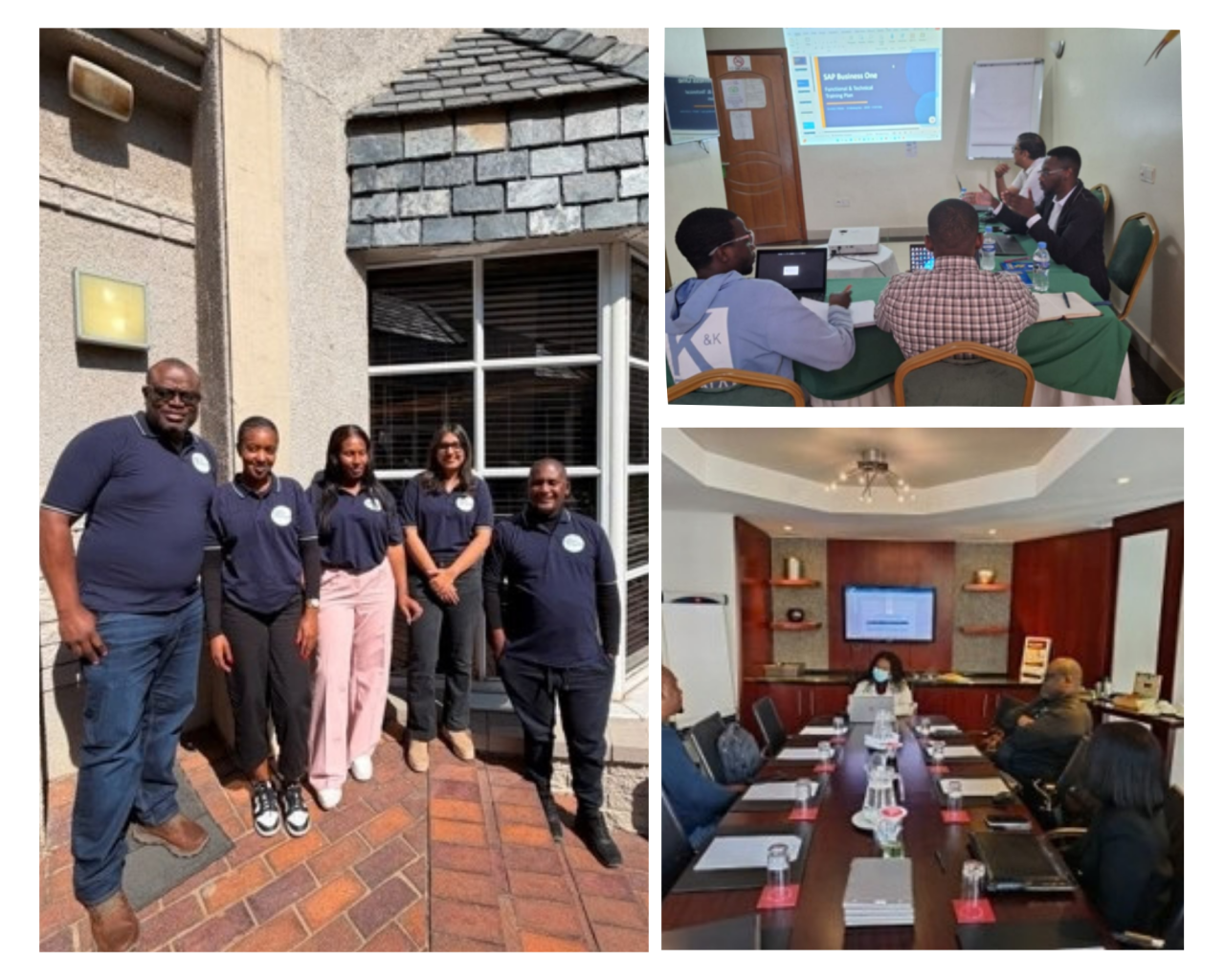
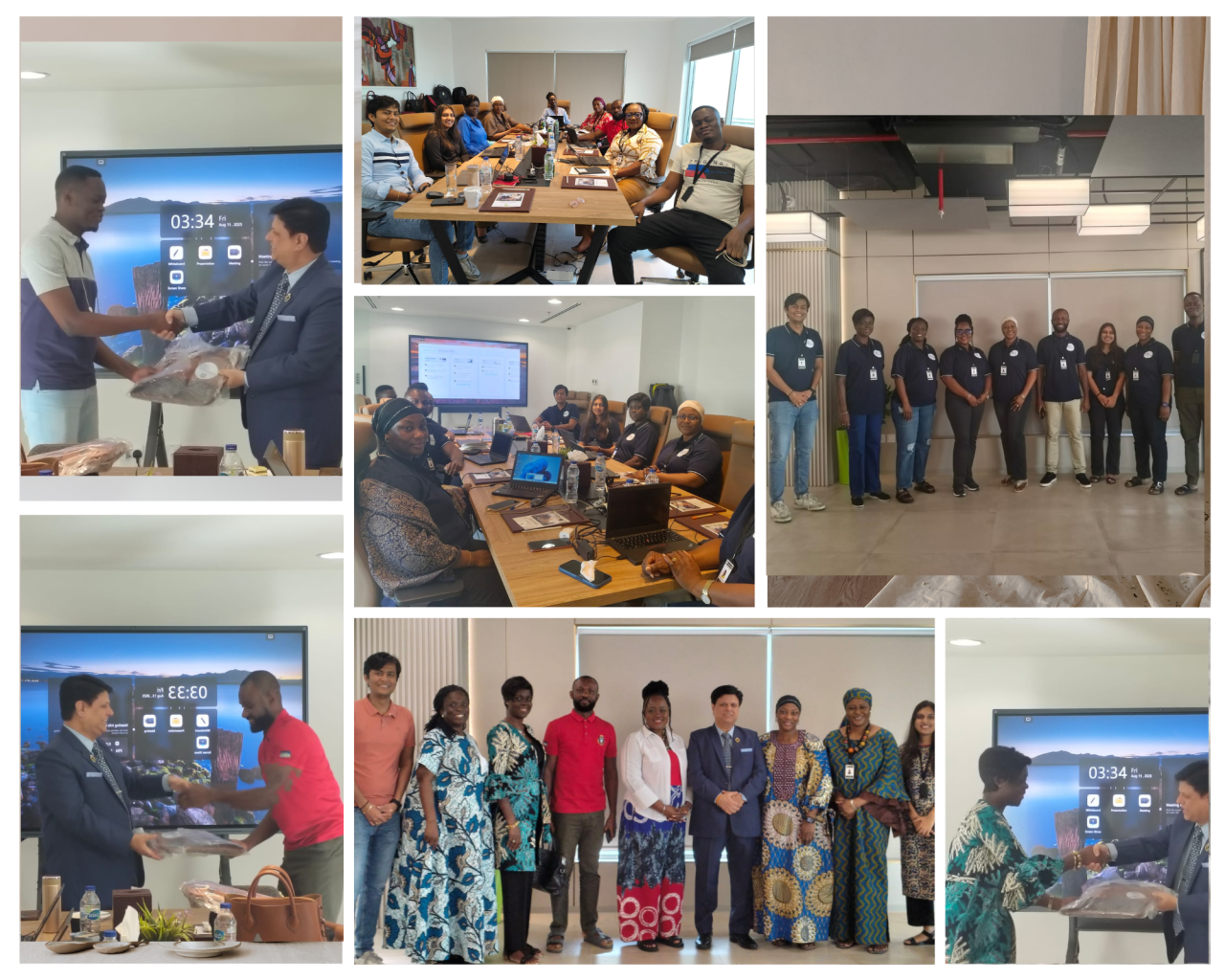
Our Success Stories

Frequently Asked Questions About SAP SD Training
1. What is SAP SD Training?
SAP SD Training introduces learners to Sales and Distribution processes in SAP. It covers topics such as customer master data, sales orders, pricing, shipping, delivery, billing and integration with other SAP functions.
2. What is included in an SAP SD Course?
A typical SAP SD Course covers enterprise structure, master data, sales order processing, pricing and condition techniques, shipping, delivery, billing, returns and integration with SAP MM and FI/CO. The actual syllabus depends on the programme scope.
3. Is SAP SD Training suitable for beginners?
A foundational SAP SD course can be suitable for beginners, graduates and professionals exploring SAP sales processes. Prior knowledge of sales operations, logistics or ERP concepts can be helpful. Confirm any prerequisites with Prompt Edify before enrolling.
4. What is the difference between SAP SD and SAP S/4HANA Sales?
SAP SD is the commonly used name for the Sales and Distribution functional area in SAP ERP. SAP S/4HANA Sales refers to sales capabilities within SAP S/4HANA, including the relevant business processes and system features. The terminology and functionality covered depend on the SAP product and release.
5. What is SAP SD Configuration?
SAP SD Configuration involves setting up system parameters and business rules that control sales processes. Relevant areas include sales document types, item categories, schedule line categories, pricing procedures, partner determination, shipping and billing settings.
6. Does SAP SD Training cover pricing and billing?
A typical SAP SD curriculum introduces pricing determination, condition techniques, discounts, surcharges, billing documents, invoicing and related accounting integration. Confirm the exact topics covered in the selected programme.
7. How does SAP SD integrate with SAP MM and FI/CO?
SAP SD integrates with Materials Management to support material availability, inventory and delivery-related processes. Its integration with Financial Accounting connects billing transactions with accounting postings, while relevant Controlling processes support financial analysis and reporting.
8. Is SAP SD Training available online?
Contact Prompt Edify to confirm whether live online or other training formats are currently available, along with batch schedules, duration and fees.
9. Can organisations arrange SAP SD Training for employees?
Organisations can contact Prompt Edify to discuss training requirements for sales, logistics, customer service and ERP teams. The syllabus, delivery format and learning objectives can be discussed according to business needs.
10. What should I know before starting SAP SD Training?
Basic knowledge of sales operations, customer orders, pricing, inventory and delivery processes can help you understand SAP SD concepts. Beginners can start with the fundamentals of SAP, enterprise resource planning and the order-to-cash process before progressing to more detailed topics.
11.What Is the Difference Between a Scenario-Based SAP Exam and a System-Based SAP Exam?
The SAP exam format depends on the module and exam you choose. Scenario-based SAP exams assess your ability to analyse business situations and apply SAP concepts to solve real-world problems, while system-based SAP exams focus on performing practical tasks within an SAP system. Our SAP training programmes help participants prepare for their chosen SAP exam format through relevant concepts, practical exercises, and exam-focused guidance.
Start Your SAP SD Learning Journey
Build your understanding of SAP Sales and Distribution with a learning programme aligned to your professional goals. Explore the proposed course curriculum, discuss your training requirements and find out which learning options are available through Prompt Edify.

South Africa - Johannesburg
Prompt Edify Africa (PTY) Limited
2nd Floor, Rivonia Village, Cnr Mutual Road and Rivonia Boulevard , Rivonia Village, 2191 PIN: 2191
Contact : +27740294414
India - Pune
Prompt Edify Private Limited
4th Floor 15, City Vista Tower, Fountain Road, Kharadi, Pune(MH), India. PIN- 411014 Contact : (+91) 99932 86938
Rwanda - Kigali
Prompt Edify East Africa Limited
KN 78 ST, Kagarama, Kigali, Kigali, Nyarugenge, Umujyi wa Kigali, Rwanda Contact : +250 727 845 771