SAP Supply Chain Planning Training
What Is SAP Supply Chain Planning?
SAP Supply Chain Planning refers to the planning processes and software capabilities that help organisations anticipate demand, evaluate supply requirements, manage inventory, and coordinate resources. These processes help businesses align expected demand with available supply, production capacity, and inventory. Effective planning can also help organisations identify potential imbalances and assess alternative responses to changing business requirements. SAP offers solutions such as SAP Integrated Business Planning (SAP IBP) to support integrated supply chain planning. Depending on the solution and implementation, capabilities may include demand planning, supply planning, inventory optimisation, and Sales and Operations Planning (S&OP).

What You Can Learn Through SAP Supply Chain Planning Training
Prompt Edify’s SAP Supply Chain Planning Training introduces learners to the key processes used to plan and coordinate supply chain operations. The programme helps learners understand how demand forecasts, supply requirements, inventory levels, and operational resources influence planning decisions. Depending on the confirmed course syllabus, topics may include demand planning and forecasting, supply planning and capacity considerations, inventory management and replenishment, Sales and Operations Planning (S&OP), supply chain optimisation and collaboration, and SAP planning solutions for integrated business processes. Review the course curriculum below to explore the proposed topics and confirm the areas covered in the programme.
Loading events...
SAP Supply Chain Planning Training Course Modules
The proposed SAP Supply Chain Planning Training curriculum covers core supply chain management concepts, SAP Integrated Business Planning (SAP IBP), demand forecasting, supply planning, inventory optimisation, Sales and Operations Planning (S&OP), supply chain collaboration, AI-enabled planning and business scenarios. The final module list and depth of coverage should be confirmed against the actual course syllabus.
Introduction to SAP Supply Chain Planning
- Overview of SAP and enterprise resource planning (ERP)
- Fundamentals of supply chain planning
- Introduction to SAP planning solutions
- Role of planning in supply chain management
- Key supply chain planning processes
- Benefits of digital planning
Supply Chain Management Fundamentals
- Overview of end-to-end supply chain processes
- Procurement and sourcing fundamentals
- Inventory management concepts
- Production and distribution planning
- Demand, supply and fulfilment processes
- Common supply chain challenges
SAP Integrated Business Planning (SAP IBP)
- Introduction to SAP Integrated Business Planning
- Fundamentals of integrated business planning
- Relationship between demand and supply planning
- Overview of SAP IBP capabilities
- Planning data and business information
- SAP IBP business use cases
Demand Planning and Forecasting
- Fundamentals of demand planning
- Introduction to demand forecasting
- Historical demand and forecasting concepts
- Factors influencing demand variability
- Forecast review and planning adjustments
- Demand planning performance indicators
Supply Planning
- Fundamentals of supply planning
- Matching supply requirements with demand
- Capacity and resource planning concepts
- Supply constraints and limitations
- Supply planning scenarios
- Coordination between demand and supply plans
Inventory Management and Optimisation
- Fundamentals of inventory management
- Inventory levels and stock availability
- Safety stock concepts
- Inventory replenishment fundamentals
- Inventory optimisation considerations
- Balancing stock availability and operational needs
Sales and Operations Planning (S&OP)
- Introduction to Sales and Operations Planning
- Alignment of demand and supply plans
- Cross-functional business planning
- Sales, operations and finance coordination
- Capacity and resource considerations
- Evaluating planning alternatives and trade-offs
Supply Chain Optimisation
- Fundamentals of supply chain optimisation
- Identifying supply and demand imbalances
- Resource utilisation concepts
- Planning constraints and business trade-offs
- Evaluating alternative planning scenarios
- Supply chain efficiency and performance concepts
Supply Chain Collaboration
- Fundamentals of supply chain collaboration
- Coordination between planning and procurement teams
- Sharing relevant planning information
- Supplier and trading partner coordination
- Collaborative demand and supply planning
- Communication and exception management
AI-Enabled Planning Concepts
- Introduction to AI-enabled planning
- Overview of machine learning concepts
- AI applications in demand forecasting
- Predictive analytics fundamentals
- Identifying demand patterns and variability
- Data-driven supply chain planning decisions
Supply Chain Monitoring and Control
- Fundamentals of supply chain monitoring
- Monitoring demand and supply plan changes
- Identifying potential supply chain exceptions
- Reviewing inventory and operational information
- Tracking planning-related performance indicators
- Supporting timely business decisions
Planning Software and Integration
- Overview of supply chain planning software
- Fundamentals of planning data
- Master data concepts in supply chain planning
- Integration between planning and execution processes
- Data exchange across enterprise systems
- Data consistency and information requirements
Business Scenarios and Course Review
- Demand planning and forecasting scenarios
- Supply planning and capacity considerations
- Inventory management business scenarios
- Sales and Operations Planning examples
- Supply chain optimisation scenarios
- Review of key concepts and learning objectives
Build an understanding of SAP supply chain planning, SAP IBP, demand forecasting, supply planning, inventory optimisation, S&OP, AI-enabled planning and supply chain collaboration. Discuss your learning objectives and available course options with Prompt Edify.
Who Should Take SAP Supply Chain Planning Training?
This programme may be relevant to people who want to understand supply chain planning processes or strengthen their knowledge of business operations.
It may be suitable for:
Supply chain professionals
Demand and supply planners
Inventory management professionals
Procurement and sourcing professionals
Production and logistics professionals
Business and ERP analysts
SAP consultants and aspiring SAP consultants
Graduates interested in supply chain-related careers
SAP Supply Chain Planning Hands-on Training
Practical exercises and business scenarios can help learners connect supply chain planning concepts with operational requirements. Before enrolling, ask Prompt Edify whether the programme includes SAP system access, guided exercises, demonstrations, or scenario-based activities. You can also confirm whether the training covers SAP Integrated Business Planning (SAP IBP), other SAP planning solutions, and any configuration or implementation-related tasks. The available practical components depend on the confirmed course structure.
SAP Supply Chain Planning Online Training and Corporate Learning Options
Contact Prompt Edify to discuss the available training formats and choose an option that aligns with your learning or organisational requirements.
Live Online SAP Supply Chain Planning Training
Ask about live sessions, schedules, recordings, and supplementary learning resources.
Instructor-Led SAP Planning Training
Confirm the availability of trainer-led explanations, guided activities, and business examples.
Corporate SAP Supply Chain Planning Training
Discuss team learning objectives, relevant supply chain processes, and the required training scope.
Why Choose Prompt Edify for SAP Supply Chain Planning Training?
Choosing the right SAP Supply Chain Planning Training programme starts with understanding its curriculum, teaching approach, and relevance to your learning goals. Before enrolling with Prompt Edify, enquire about the trainer’s relevant SAP and supply chain experience, course duration, fees, delivery format, and learning support. If practical experience is important to you, ask about SAP system access and the exercises included in the programme. These details can help you assess whether the training aligns with your existing knowledge and career objectives.
Career Opportunities After SAP Supply Chain Planning Training
Career Opportunities After SAP Supply Chain Planning Training
Knowledge of supply chain planning can be relevant to roles involving forecasting, inventory, procurement, production, and supply chain analysis. Career opportunities depend on your existing experience, technical skills and familiarity with relevant SAP products.
- Supply Chain Analyst
- Demand Planning Analyst
- Supply Planning Analyst
- Inventory Analyst
- Supply Chain Operations Analyst
- Production Planning Analyst
- Procurement Analyst
- SAP IBP Consultant
- SAP Supply Chain Consultant
- ERP Business Analyst
The skills and experience required vary by role and employer. Specialised SAP consulting positions may require additional product knowledge, practical experience, and implementation exposure. Completing a training programme does not guarantee employment or qualification for a particular role.
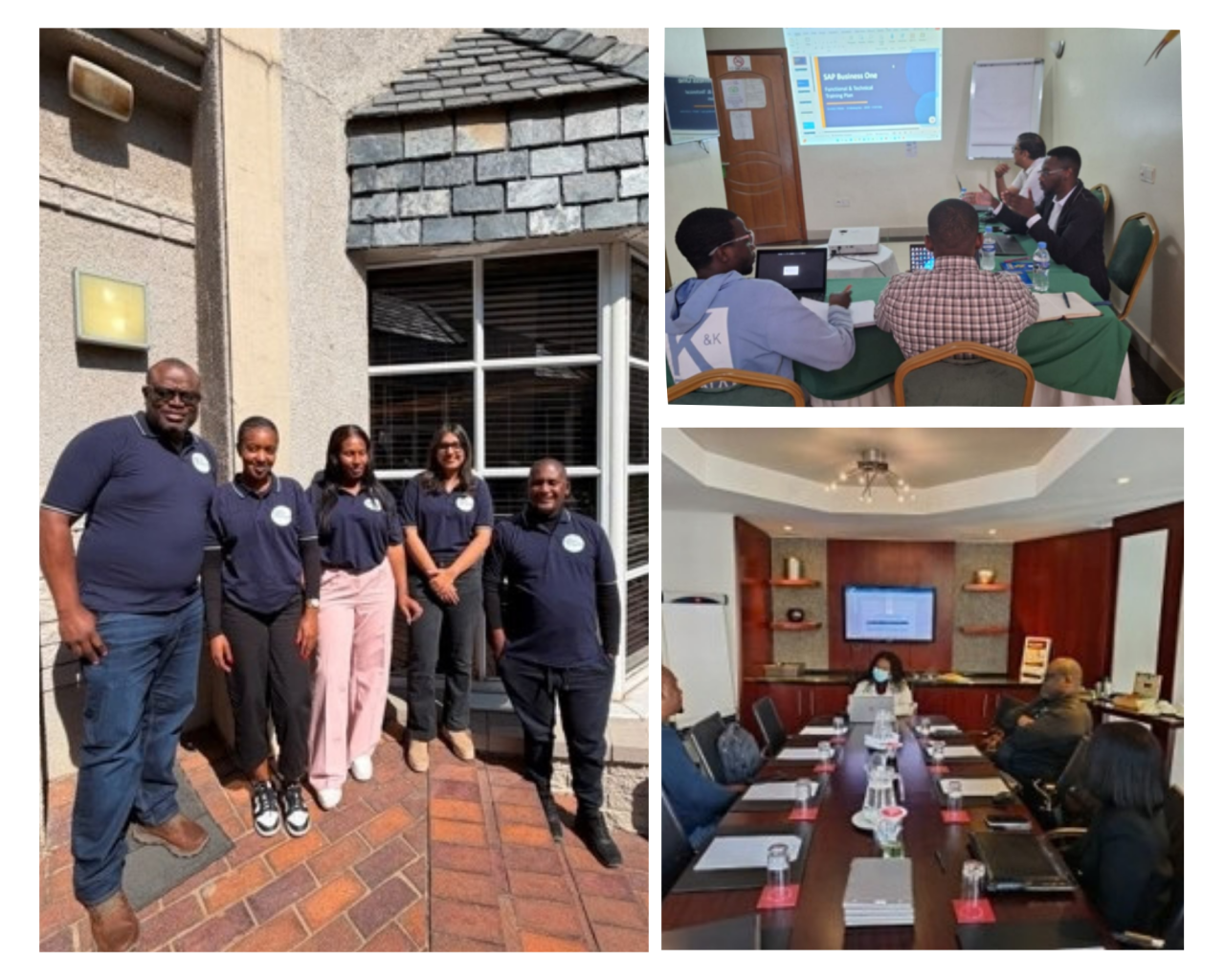
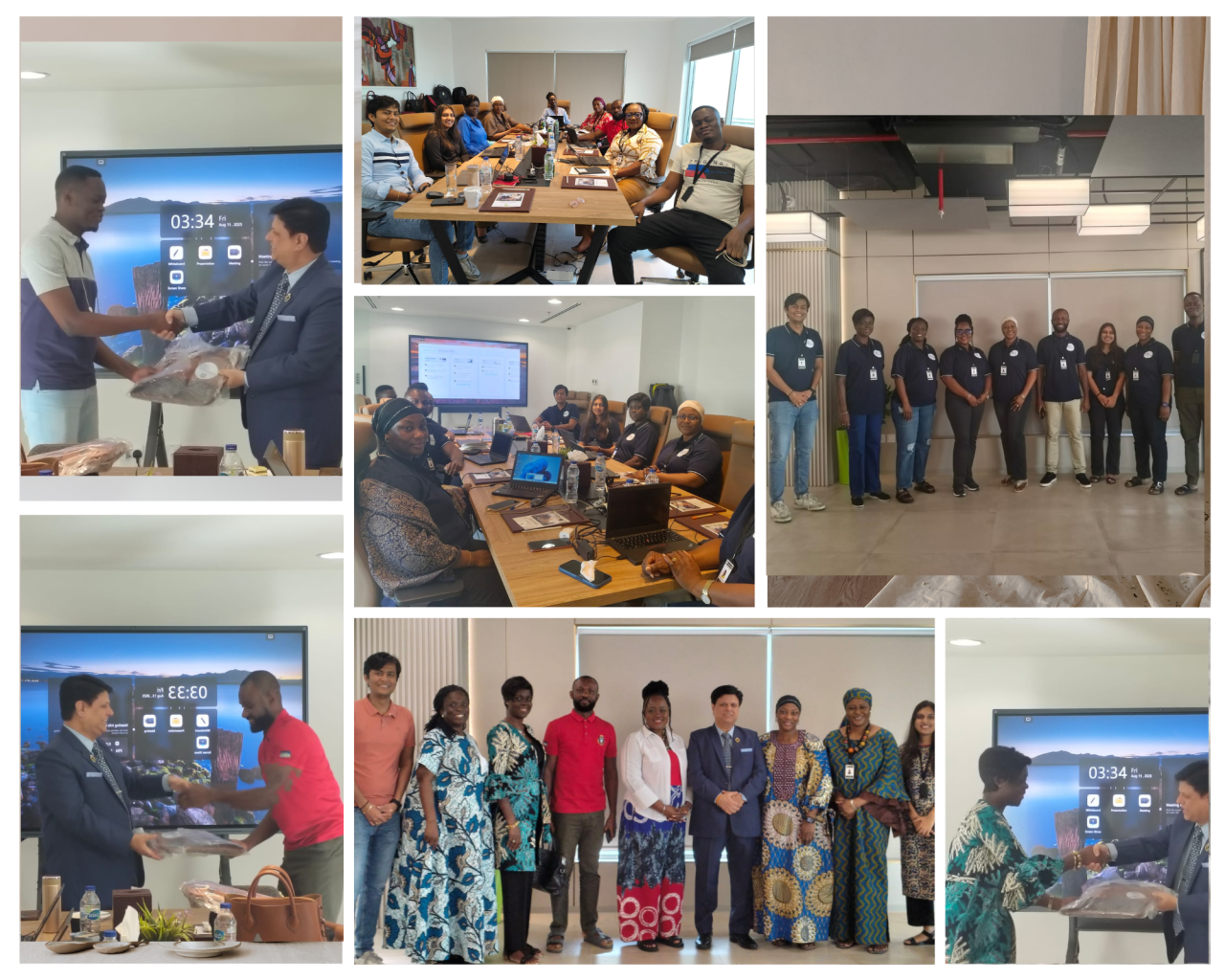
Our Success Stories

Frequently Asked Questions
1. What Is SAP Supply Chain Planning Training?
SAP Supply Chain Planning Training introduces learners to the concepts and processes involved in demand planning, supply planning, inventory management, and integrated business planning. The course content and depth of coverage depend on the confirmed syllabus.
2. What Is SAP IBP?
SAP Integrated Business Planning (SAP IBP) is SAP's cloud-based solution for integrated supply chain planning. It supports planning activities such as demand planning, supply planning, inventory optimisation, and Sales and Operations Planning (S&OP), depending on the capabilities used by an organisation.
3. What Topics Are Covered in the Course?
The proposed curriculum includes demand forecasting, supply planning, inventory management, S&OP, supply chain optimisation, and planning software concepts. Confirm the final module list with Prompt Edify.
4. What Is the Difference Between Demand Planning and Supply Planning?
Demand planning estimates future customer demand using relevant historical data and business factors. Supply planning determines how to meet that demand using available inventory, materials, production capacity, and other supply resources.
5. Does the Course Include SAP IBP and Hands-on Practice?
This depends on the confirmed course structure. Ask Prompt Edify whether SAP IBP, SAP system access, guided exercises, and scenario-based activities are included.
6. Is Online SAP Supply Chain Planning Training Available?
Contact Prompt Edify to confirm the available delivery formats, schedules, and learning resources.
7. Who Can Enrol in SAP Supply Chain Planning Training?
The training may be relevant to supply chain professionals, demand and supply planners, inventory and production planning professionals, procurement specialists, business analysts, SAP consultants, and graduates interested in supply chain careers. Check the course prerequisites to determine whether prior SAP or supply chain experience is recommended.
8. Do I Need Prior SAP Experience to Join the Course?
Entry requirements depend on the programme level. Ask whether prior SAP experience is necessary and whether the course covers introductory SAP and supply chain concepts.
9. What Are the Career Opportunities After SAP Supply Chain Planning Training?
Relevant career paths may include Supply Chain Analyst, Demand Planner, Supply Planner, Inventory Analyst, Production Planning Analyst, and SAP Supply Chain Consultant. Requirements vary by employer, and completing the course does not guarantee a job or qualify every learner for a specialised SAP consulting role.
10. What Should I Check Before Enrolling in the Course?
Review the confirmed syllabus, duration, fees, trainer qualifications, delivery format, practical training options, learning support, and any applicable certification or exam preparation.
11. What Is the Difference Between a Scenario-Based SAP Exam and a System-Based SAP Exam?
The SAP exam format depends on the module and exam you choose. Scenario-based SAP exams assess your ability to analyse business situations and apply SAP concepts to solve real-world problems, while system-based SAP exams focus on performing practical tasks within an SAP system. Our SAP training programmes help participants prepare for their chosen SAP exam format through relevant concepts, practical exercises, and exam-focused guidance.
Start Your SAP Supply Chain Planning Learning Journey
Develop your knowledge on demand planning, supply planning, inventory management, and integrated supply chain processes through SAP Supply Chain Planning Training offered by Prompt Edify. Learn about the program curriculum, outline your learning goals and get in touch with the team for more information on training programs and their scope.

South Africa - Johannesburg
Prompt Edify Africa (PTY) Limited
2nd Floor, Rivonia Village, Cnr Mutual Road and Rivonia Boulevard , Rivonia Village, 2191 PIN: 2191
Contact : +27740294414
India - Pune
Prompt Edify Private Limited
4th Floor 15, City Vista Tower, Fountain Road, Kharadi, Pune(MH), India. PIN- 411014 Contact : (+91) 99932 86938
Rwanda - Kigali
Prompt Edify East Africa Limited
KN 78 ST, Kagarama, Kigali, Kigali, Nyarugenge, Umujyi wa Kigali, Rwanda Contact : +250 727 845 771